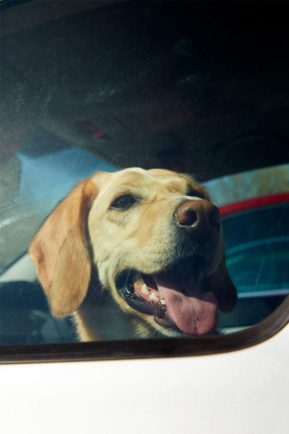
THE RSPCA is urging concerned animal lovers to call the police, not the animal welfare charity, if they spot an animal in a car during the UK’s mega heatwave – saying every second counts to save lives.
Lauren Bennett, animal welfare expert at the RSPCA, said: “The RSPCA does not have the legal power to enter a vehicle to rescue an animal in distress – only the police have the power to do this.
“So please, if you see a dog or any other animal inside a hot car, call 999 immediately – every second really does count in this situation and it’s vital to get the animal out of that environment and safely cooled down as soon as possible.
“This is not a new warning, but sadly too many people still don’t appreciate how dangerous it can be to leave a dog in a hot car, conservatory or caravan.
“Many people think it will be fine just to leave their pets for a minute or two but we know that this is all it takes for temperatures inside a car to soar to dangerous levels. We want to see owners understanding the danger of leaving their pet in a hot car, and never taking this risk with their lives.
“A hot car can be a death trap for dogs, it is as simple as that. Leaving your dog in a car, even on an average warm, even cloudy day, can put your pet at huge risk of suffering and even death.
“Sadly, too many animals die in hot cars – don’t let your pet be one of the number.”
It comes as the animal welfare charity issues urgent advice for pet owners in the midst of an unprecedented heatwave and red weather warning, with tips and DIY video tutorials to help pet owners keep their furry and feathered friends cool and comfortable.
The extraordinary temperatures can pose huge risks to pets, wildlife and farmed animals, and amid predictions from forecasters of further high temperatures, many pet owners and animal lovers may be concerned about keeping animals safe during the heatwave.
Lauren added: “We’re urging pet owners to make this a Summer of Kindness – and focus on keeping their animals cool, comfortable and calm until temperatures start to ease. Fresh water, air flow, shade and mental enrichment can make all the difference during this intense period of extreme heat.
“It’s essential that pet owners familiarise themselves with the signs of heatstroke in their animals, and know how to act if they believe their pet may be suffering.”
The current best practice, as endorsed by the Royal Veterinary College, is to:
- Stop: Cease all activity and remove the animal from the hot environment.
- Cool: Initiate cooling by applying water cooler than the animal’s body temperature, using methods such as immersion or pouring water combined with air movement (e.g., from a fan).
- Transport: Once the animal’s temperature begins to decrease, transport them to the veterinary clinic in a cooled, well-ventilated vehicle and continue the cooling process in transit. Call ahead to let your vet know you’re coming.
This ‘Cool First, Transport Second’ advice is crucial, as prolonged elevated body temperature can lead to severe organ damage and even death. Immediate cooling significantly improves the chances of recovery.
The UK’s largest veterinary group, inspiring vet care – who have recently partnered with the RSPCA – have released new figures showing that their vets dealt with 355 incidents related to suspected heatstroke in 2025, with 66% (234) of all cases over the summer months; that’s more than two incidents a day.
Heatstroke is a growing problem in pets – with incidents up 28 per cent in a year (2024; 277 suspected incidents).
Lauren said: “Prevention is much better than cure, so, it’s also really important we do everything we can to keep our animals cool and comfortable while the heat is here, and we’re urging animal lovers to share our best tips to help on our Facebook and
“Instagram channels. It’s also a really helpful idea to support local wildlife too, by popping out some bowls of water to help birds, foxes and other wildlife.
“We’re asking outdoor event organisations to routinely raise awareness of the dangers of heat related illness in dogs with attendees via their social media platforms and webpages and encourage dog owners to leave their dogs at home.”
It’s not just dogs that suffer in the heat – all pets, particularly those that live or spend a lot of time outside like rabbits or guinea pigs – need protection from the weather.
During Rabbit Awareness Week this week the animal welfare charity is also raising awareness of bunnies’ need for shade, and constant access to cool water and the correct nutrition.
Rebecca Ashman, Head Vet at the RSPCA said: “Cats and other animals like rabbits can get sunburnt in exactly the same way as humans do, and exposure to the sun causes them all the same risks, like skin cancer – it’s a particular risk for white-furred animals or those with no hair.
“To keep them safe, you can gently apply some pet-safe, waterproof sun cream – at least factor 30 – to the front and back of the tips of your pet’s ears and a bit on the furless part of their nose.
“Your pet might find this feels a bit strange at first, but take it slow and reward them with treats. It’s important to make sure they are protected and this small act will help to keep them healthy – every kind of animal deserves our kindness this summer.
“Signs of skin cancer in pets include redness and soreness, especially on the tips of the ears, or crusting around the ears – so if you notice this, it’s important to take your pet to the vet.”
Top tips for pet owners in hot weather
- Have a go at making some frozen dog treats to keep your pooch cool
- Watch the RSPCA’s video on how to keep cats cool in hot weather
- Don’t let your pet get sunburnt – use pet-safe sun cream.
- Ensure animals have constant access to shade and fresh drinking water at all times. For animals that are kept outside, remember that as the sun moves during the day so too does the shade. Somewhere that was shaded in the morning could be in full sun by the afternoon.
- Keep guinea pigs, rabbits and ferrets cool and hydrated by making them a fresh vegetable treat, using ceramic tiles or placing frozen bottles wrapped in towels in their exercise areas.
- If your pets are kept indoors, optimise airflow by keeping living areas well-ventilated without exposing the animals to direct drafts from fans.
- Check small animals, poultry and other pets twice a day for flystrike.
- Keep fish tanks out of direct sunlight.
- Keep pesticides out of reach of animals.
- For horses stabled during the day out of the heat, try making them our horse and pony boredom buster treat
- Wrap an ice pack or frozen water bottle in a tea towel, or use damp towels for your pet to lie on.
- Encourage pet chickens to stay in shaded areas by hanging up a homemade vegetable garland for chickens
- Use cold treats from the fridge for added moisture or make an ice lolly for your dog from pet-friendly ingredients.
- Freeze your dog’s water bowl or kong, or add ice cubes to your pet’s bowl.
- Fill a paddling pool or spray a hose for your dog to play in – but always supervise them around water.
- Make sure that pet snake enclosures are kept secure – and locked if necessary – when unattended, as snakes become more active during hot weather and can be excellent escape artists and will take the opportunity of a gap in an enclosure door, or a loose-fitting lid to make a break for it.