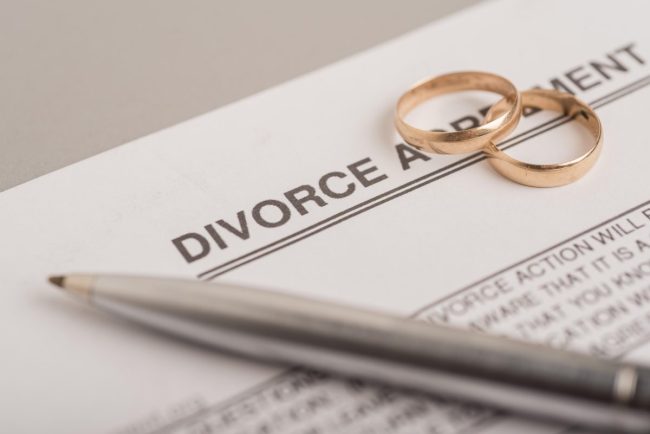
So you and your spouse are ending things on a good note. A do-it-yourself (DIY) divorce might seem appealing.
But before you go down that road, understand that a DIY divorce can create more problems than it solves. And by the time you realise something’s wrong, fixing it can be far more complicated and expensive than doing it right the first time.
This doesn’t mean DIY divorce is always a bad idea. It’s just not as simple and risk-free as it looks from a distance, especially in cities like Nottingham, where the law is as complicated as it gets. Therefore, this guide explains the dangers of DIY divorce and why seeking help from family solicitors in Nottingham is critical. Keep reading to make an informed decision.
Source: freepik
Unfair Agreements
One of the biggest hidden dangers of a DIY divorce is ending up with an agreement that is simply unfair. When emotions are high, and your goal is to “get done with things,” you might consent to terms that are not compatible with your long-term needs.
Let’s be real — navigating the divorce process requires legal knowledge. As someone with no ties to the UK family law, you may not know what you’re entitled to. You might omit essential rights or fill out forms incorrectly.
Unresolved Finances
Here’s a shocker: A final order in a divorce legally ends the marriage but does not automatically sever financial relations. In the UK, unless there is a formal court order (called a clean break order), either spouse can make a financial claim whenever they want.
A famous example is Wyatt v Vince. Kathleen Wyatt and Dale Vince divorced in 1992 with no clean break order. Years went by, and Dale Vince built a successful energy business. In 2011, nearly 20 years later, Kathleen Wyatt applied for financial relief under the Matrimonial Causes Act 1973. In 2015, the Supreme Court allowed her claim to proceed. Ms Wyatt ultimately settled for £300,000. The lesson? It is incredibly important to legally settle your finances after a divorce.
In a DIY divorce, it is easy to overlook this step, especially when there are fewer assets involved. As a result, your ex can make future financial claims years later, even after you’ve remarried.
Custody and Parenting Plan Problems
Every parent tries to prioritise their child’s needs during divorce. In fact, many times people opt out of legal representation to shield their children from conflict. Unfortunately, things don’t always work as you expect.
DIY parenting plans leave out crucial details. If anything happens in the future, the court will only enforce what’s written down, not what you and your ex-partner meant.
Where does your child spend their holidays? Who gets to make decisions about their education? What extracurricular activities can they participate in? A legally binding parenting agreement should discuss everything.
Missed details can quickly turn into conflicts and full-blown arguments.
Pension Oversights
Pension oversights are incredibly common in a DIY divorce. Pensions can be the most valuable asset a couple owns, often worth more than the family home. But since they don’t feel like “real money,” divorcing couples ignore them, thinking they’ll sort things out later.
In the UK, divorcing couples must address pension issues through mechanisms like pension sharing orders or pension attachment orders. Otherwise, they can create issues for themselves.
Difficulty Modifying
Here’s a thing about divorce agreements: They are notoriously challenging to modify. Once a judge enforces them, many terms become permanent. If you waive your right to spousal support or give up property rights without fully understanding the future implications of your decision, you may not get a second bite at the cherry.
This is why working with a skilled family solicitor is important. A solicitor would explain every aspect of your divorce agreement. From pension sharing to parenting agreements, they would clarify the long-term consequences of each of your decisions. Moreover, they have the technical expertise to manage complexities.
Unwanted Stress
The UK family court system is complex, and navigating it without legal representation can be frustrating. You have to keep up with numerous laws. And don’t even get us started on the mountain of paperwork you have to manage alone.
Moreover, divorce is an inherently emotional process. You will experience a myriad of emotions, including fear, anxiety, grief, and anger. Attempting to negotiate critical issues like asset division and child custody with your ex-partner can exacerbate existing conflicts. Therefore, it’s best to work with an experienced family solicitor.
They will negotiate with your former partner and their attorney, keeping your best interests in mind. Unload the stress with the support of a family solicitor.
Is DIY Divorce Worth the Risk?
A DIY divorce can be useful in limited situations. But it’s not the money-saver people expect. If you and your spouse agree on everything and there are no children involved, a DIY divorce can do the trick. But unresolved finances, emotional distress, and parenting plan problems can far outweigh the initial cost.
Legal Disclaimer: Please be advised this article is for informational purposes only and should not be used as a substitute for advice from a trained legal professional. Please seek the advice of a legal professional if you’re facing issues regarding divorce.
This is a submitted article