On the front line for Britain’s wildlife, the remarkable work of Vale Wildlife Hospital
Most of us will never see the reality of orphan season.
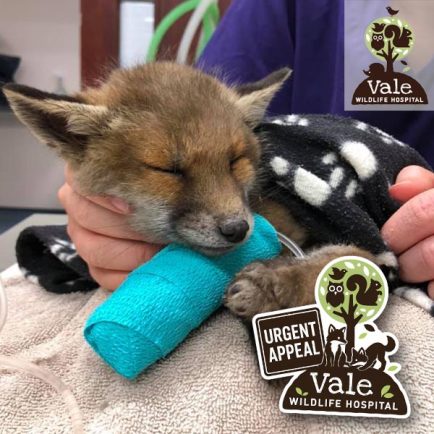
We will never see the tiny fox cub curled tightly in the corner of an incubator, too frightened to move. We will never hear the desperate cries for food in the early hours of the morning, or witness the heartbreaking silence of cubs so weak they no longer have the strength to cry at all.
But every single day, the dedicated team at Vale Wildlife Hospital near Evesham sees it all.
And right now, during what rescuers describe as their busiest and most relentless period of the year, the hospital is caring for an overwhelming number of orphaned and injured wild animals from across the region.
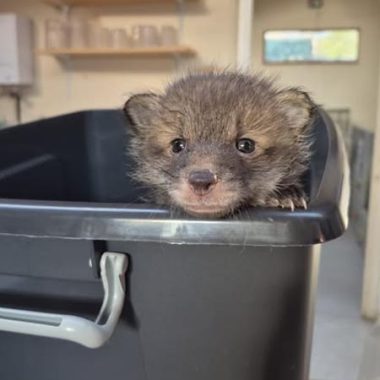
This year alone, the hospital has already admitted 131 foxes, including 65 cubs, each one requiring urgent treatment, warmth, specialist feeding, medication, and round the clock care.
Some arrive frightened and dehydrated after days alone. Others are injured after becoming trapped, separated from their mothers, or struck by vehicles. Tragically, not every story has a happy ending. Some animals arrive too late to be saved, with staff able only to offer peace and compassion at the end of their suffering.
Yet despite the emotional and physical demands, the team continues tirelessly.
One recent patient, a tiny fox cub discovered alone beneath a parked car, arrived painfully thin, dehydrated, weak on her feet, and suffering from mange, wounds, and urine burns. Staff feared she may even have lost her eyesight.
After just 48 hours of intensive care, fluids, warmth, medication, and feeding, she began to recover. Slowly, the frightened cub started behaving as a healthy young fox should, curious, alert, and responsive to the world around her.
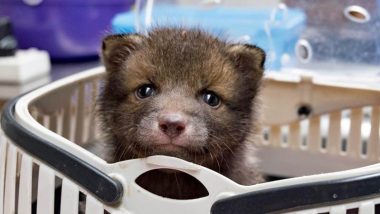
Another cub was found at the bottom of a concrete staircase, barely able to move. Rushed first to a local veterinary practice before being transferred to Vale Wildlife Hospital, he arrived exhausted and dangerously weak. The veterinary team immediately began supportive treatment, nursing him carefully through those critical first hours.
If he continues to improve, staff hope to introduce him into one of the hospital’s existing fox cub groups, allowing him to grow and socialise naturally before eventually returning to the wild where he belongs.
These stories are repeated countless times throughout spring and summer.
As orphan season intensifies, fox cubs, badger cubs, leverets, ducklings, hedgehogs, owls, and countless other wild animals are brought through the hospital’s doors every day by concerned members of the public.
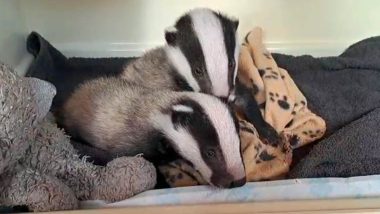
On the busiest days, as many as 100 animals can arrive needing urgent attention.
Inside the hospital, incubators hum constantly. Feeds are prepared through the night. Bedding is washed and replaced endlessly. Medicines are administered, wounds treated, calls answered, and frightened animals soothed by exhausted staff and volunteers who often work far beyond normal hours.
It is physically exhausting, emotionally draining work.
But for the team at Vale Wildlife Hospital, it is also a mission driven by compassion and a determination that no wild animal should suffer alone if help can be given.
That work, however, comes at an enormous cost.
The hospital says it can spend more than £17,000 in a single week during peak orphan season simply on food, medication, cleaning supplies, heating, veterinary care, and essential equipment.
To help meet the unprecedented demand this year, the charity has launched its biggest ever orphan appeal, aiming to raise £30,000 to support the hundreds of vulnerable animals expected to arrive over the coming weeks and months.
So far, supporters have already raised around £17,000 through the campaign, a remarkable show of community generosity, but the hospital says much more help is urgently needed.
Every donation, no matter the size, can make a direct difference.
A £20 donation could help feed an orphaned baby animal through its critical first days. £40 could provide the warmth and specialist care needed to stabilise a fragile life. £75 could help fund vital treatment for an injured animal fighting to survive. Larger donations can support the intensive overnight care required to keep multiple orphaned cubs alive.
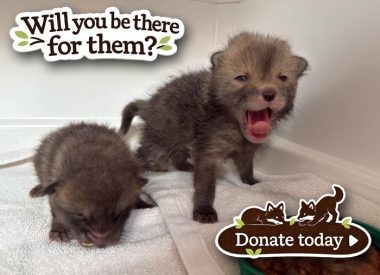
For many people across Worcestershire, Gloucestershire, Warwickshire and the wider region, Vale Wildlife Hospital has become a vital lifeline for British wildlife, offering expert rehabilitation to animals that otherwise would have little chance of survival.
At a time when wildlife faces increasing pressures from habitat loss, roads, development, pollution, and climate change, the work being carried out quietly behind the scenes by this remarkable local charity has never mattered more.
The hospital’s message to the public is simple, heartfelt, and urgent.
As long as there are people willing to stand beside them, they will continue standing beside the wildlife that needs them most.
Anyone wishing to support the orphan appeal can donate through the hospital’s JustGiving campaign, “Be Their Lifeline”.
Because somewhere nearby tonight, another tiny life is waiting for a second chance.
Please donate if you can at: https://www.justgiving.com/campaign/be-their-lifeline
Images: Vale Wildlife Hospital