EVERY April, millions of people across Britain sit down to watch the Grand National, and for most of them it’s the one horse race they watch all year. A big part of what makes it so unique is the course.
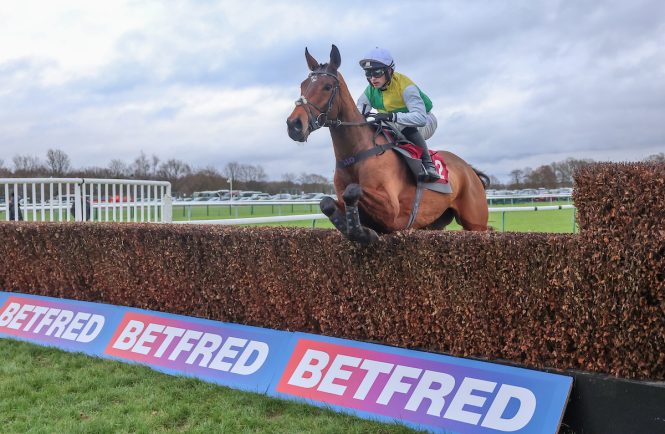
There are 16 individual fences at Aintree, 14 of which are jumped twice, for a total of 30 jumps across just over four miles. If you’re looking at the Grand National 2026 odds and want to understand what the horses are up against, here’s a guide to the fences that have a name and a story behind them.
Becher’s Brook
Named after Captain Martin Becher, who fell here during the very first running of the race in 1839 and sheltered in the brook as the field jumped over him. The fence isn’t the tallest on the course, but the landing side sits around ten inches lower than the take-off side. That drop catches horses out, especially tired ones on the second time around. It’s jumped twice, as the sixth fence and again as the 22nd.
Foinavon
One of the smallest fences on the course, but with one of the best stories attached to it. In 1967, a loose horse caused a pile-up here, and almost the entire field came down. A 100-1 outsider called Foinavon was so far behind that his jockey had time to steer around the chaos and win the race. His owner hadn’t even bothered to attend. Stories like that are part of what makes following Grand National predictions so compelling, because the race has always had a habit of defying what looks likely on paper.
Canal Turn
After clearing this fence, the horse and jockey have to make a sharp 90-degree left turn almost immediately. Getting the angle right can gain several lengths. Getting it wrong usually ends the race.
Valentine’s Brook
A five-foot fence with a brook on the landing side, jumped twice during the race. It’s named after a horse called Valentine, who reportedly jumped it hind-legs first in 1840 and still cleared it.
Westhead
The first serious test on the course arrives as the third fence. It stands five feet tall with an open ditch in front of it and is named after Steve Westhead, a fence builder who worked at Aintree during the 1960s and 70s.
The Booth
Jumped as the 12th fence and again as the 28th, deep into the second circuit when stamina is starting to go. It’s a five-foot fence with a ditch on the take-off side, named after former Aintree groundskeeper John Booth.
The Chair
The biggest fence on the course at five feet two inches, with a six-foot ditch in front of it. Only jumped once, on the first circuit, right in front of the main grandstand. It takes its name from the judge who sat alongside it during 19th-century heats to eliminate horses that hadn’t reached it in time. The landing side is higher than the take-off side, the opposite effect to Becher’s Brook.
The Water Jump
The lowest fence on the course at under three feet, following directly after The Chair. It requires a big spread to clear the water on the landing side and, like The Chair, is only jumped once. It’s more manageable than most of what came before it, but horses still need to be accurate here.
These eight fences are what give the Grand National its character and its history. Every April they play their part all over again.
Article written by Robert Simmons