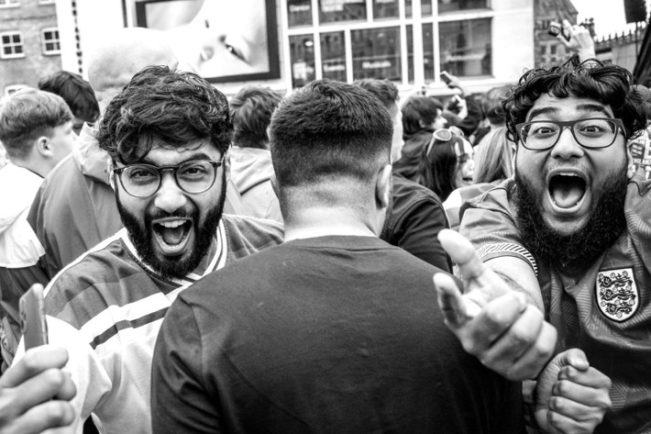
The bill for a national team shirt has a way of feeling small until the checkout page does the maths. Perhaps it’s nostalgia or excitement, but the pricing reality is far from pretty. A replica top near £90, postage, then a child’s version added to the basket, because games have turned into a family night.
The badge still brings pride and enjoyment. The purchase, however. does not.
For the 2026 World Cup, that checkout moment carries a bigger story. The tournament has expanded to 48 teams, yet the official shirt market is still shaped by a handful of global suppliers. Similar prices appear on the shelf, as local wages decide what those prices actually mean. That is where World Cup shirts become more than football merchandise.
The shelf price only starts the story
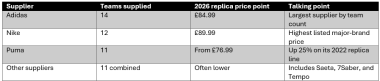
Nike, Adidas, and Puma supply 77% of the tournament, with prices grouped inside a narrow premium band. Smaller suppliers sit below them, but they cover far fewer teams.
(2026 World Cup shirt suppliers and retail snapshot.)
The wage test is where the gap opens
Once replica kits are compared with average wages, the table switches fast. A shirt that takes a Swiss fan roughly two working hours to cover can cost a DR Congo supporter around 29 working days!
Table: How affordability changes by country
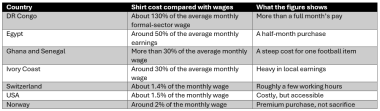
The affordability results make it clear: World Cup kit costs are not equal just because the shirts look similar in a shop window. The real price sits in hours worked.
What the World Cup shirt index measured
The research works because the method is simple. It places official shirt prices beside local earnings and asks how long the average worker would need to work to buy one. Based on research from Gambling.com, a UK betting and online slot site authority, the index used:
- Official home shirt prices from manufacturer storefronts in May 2026.
- World Bank formal-sector wage averages from 2024.
- A 22-day working month to convert monthly wages into daily labor costs.
- Formal-sector averages, which may understate pressure where informal work is common.
If informal earnings are lower than formal-sector averages, the shirt becomes even less reachable.
Why brand power matters
The 2026 World Cup may be the biggest edition yet, but football shirt prices still move through a concentrated brand market. Adidas supplies 14 qualified teams, Nike 12, and Puma 11. The remaining teams are spread across smaller manufacturers, creating variety around the edges rather than at the commercial center.
Price rises sharpen the issue. The index reported Nike replica prices up an average of 16.7% against its 2022 World Cup roster, with England’s shirt rising from £74.95 to £89.99. Puma’s replica line was up 25%.
The family basket tells the real story
Single-shirt rankings still understate the affordability of fandom because football merchandise is often bought socially. One adult shirt becomes two, then a child wants the same. Not to mention, player printing adds another cost.
A short fan basket can escalate rapidly:
- One adult replica shirt can sit near £80 to £90 before extras.
- A second adult or child shirt turns the purchase into a household spend.
- Name and number printing pushes the total higher.
- Delivery or local availability can add more friction.
Nobody has to buy every new strip, of course. Still, football has become very good at making the current shirt feel like the one that belongs to the moment.
A bigger World Cup, a sharper affordability question
The shirt index doesn’t suggest that every country can be priced the same way. Licensing, production, tax, distribution, and currency all complicate that. Its force comes from putting one familiar football purchase beside the income levels of the people expected to buy it.
The real cost of wearing a nation’s shirt in 2026 is counted in working hours as much as pounds. In a World Cup built around wider inclusion, the replica shirt leaves a smaller, sharper question behind: who still gets to dress the part?
The author is Dave Mannion