Writing a formal letter is a crucial skill that opens doors to professional and personal opportunities. Whether addressing a business proposal, submitting a formal inquiry, or communicating with local authorities, a well-written formal letter showcases meticulousness, professionalism, and respect for the recipient. In communities like Solihull, where community matters and professional relationships are integral to daily life, the importance of this form of communication is heightened.
A formal letter is more than just a written medium; it reflects an individual or organisation’s intent, competence, and clarity. Properly crafted letters contain not only a well-defined structure but also language that conveys professionalism. They demonstrate that the sender respects the recipient’s time and understands the intricacies of formal communication.
Creating Formal Letters with Templates
Writing a formal letter no longer requires extensive formatting knowledge. Ready-made templates simplify the process, helping you quickly craft polished and professional correspondence. Whether you need a business proposal, an invitation, or a formal request, templates ensure consistency and clarity in presentation.
Platforms offering these templates allow users to customise fonts, colours, and layouts to match professional standards. They also enable easy integration of branding elements, maintaining a cohesive look across documents. This flexibility ensures your letter meets specific needs without requiring design expertise.
However, if you’re unsure, use a template to streamline the process. Adobe Express provides a selection of professionally designed formal letter templates that can be easily customised. With its drag-and-drop interface, users can edit text, adjust styles, and effortlessly incorporate brand elements. Once complete, letters can be downloaded, printed, or shared directly from the platform.
Structuring a Professional Letter
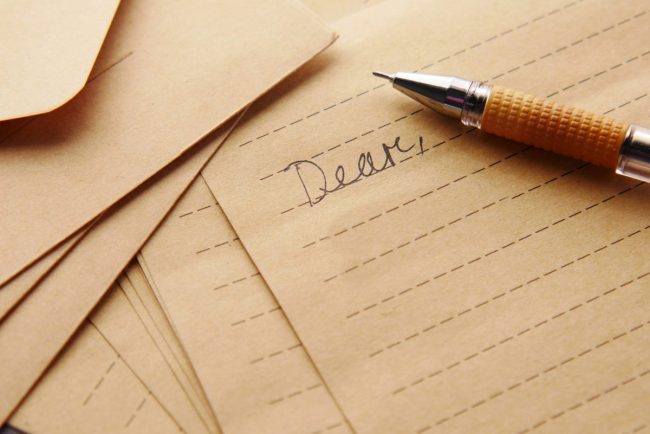
The layout and structure of a formal letter heavily influence its readability and impact. A neatly formatted document typically begins with the sender’s address at the top, followed by the date. Below, you will include the recipient’s address, ensuring it is specific and accurate. The salutation or greeting sets the tone for the letter. Depending on your relationship with the recipient, it might be formal, e.g., “Dear Mr Smith,” or neutral, such as “To Whom It May Concern.”
From here, the letter flows into the body, the core section where your message is communicated. This part requires concise and clear language, ensuring that your main points are conveyed effectively. Strong paragraph structures help break down details for easier readability.
For example, the first paragraph may detail the letter’s purpose, the second can provide supporting information or context, and the final section concludes with a request or proposed resolution. The closing lines, such as “Yours sincerely,” followed by your signature, ensure a professional finish.
Building Community Connections with Formal Writing
Within communities like Solihull, formal letters often serve as critical tools in fostering engagement, raising awareness, and seeking support for shared goals. Locals working on community projects, organising events, or advocating for change can all benefit significantly from well-drafted formal letters. This is especially important when addressing key stakeholders such as council members, sponsors, or local media outlets like Solihull Observer.
For example, an organisation planning a community event in Solihull might use formal communication to secure funding or collaboration. Clear articulation of the event’s purpose, alongside specific details showing how it benefits the community, can increase the likelihood of support.
Letters crafted in this manner must maintain professionalism while emphasising a shared sense of responsibility and community identity. Such an approach can make the letter more relatable and engaging for the recipient.
Writing for Business Needs
Businesses within Solihull and surrounding areas often rely on formal letters to establish partnerships, communicate proposals, or maintain supplier and client relationships. Whether a small business is reaching out for collaboration or a larger organisation providing updates to stakeholders, a formal and professional tone is indispensable.
A letter establishing business ties should open with a clear introduction and purpose, ensuring its primary intent is understood. The subsequent sections should explain the benefits of collaboration or provide relevant data to support the proposal. The language must balance persuasion with respect, avoiding overtly sales-focused tones while remaining engaging.
For example, when writing to potential sponsors, local businesses can address shared values, such as the mutual benefit of supporting community events or initiatives. Demonstrating awareness of the recipient’s priorities builds rapport and signals professionalism, enhancing trust and the possibility of collaboration.
Leveraging Writing Tools for Perfect Formal Letters
Digital platforms have revolutionised letter writing, enhancing productivity and eliminating the pressures of designing documents from scratch. Tools like Adobe Express are a game-changer for individuals and businesses alike. These platforms streamline the process, enabling users to create visually appealing and professionally formatted letters in just a few steps.
What sets these tools apart is their accessibility and user-friendliness. Users with little to no design experience can easily customise templates to suit their requirements. Whether you’re drafting a business letter, a formal request, or an official apology, the drag-and-drop interface simplifies the process. Features like collaborative editing can bring real-time feedback, making the final version even more substantial.
For residents of Solihull, such tools are invaluable in connecting with local authorities or collaborating on community projects.
Language and Tone: The Heart of Communication
While tools and templates are vital, a formal letter’s effectiveness depends mainly on tone and language. A balance must be struck between professionalism and approachability, ensuring the letter motivates the recipient to take the desired action.
For instance, a letter requesting increased police presence in Solihull may include language highlighting genuine community concerns. Words that show respect for authority and demonstrate collaborative intentions can strengthen the letter’s impact: “We appreciate the ongoing efforts of local law enforcement and look forward to working together to enhance the safety of our community.”
Politeness and clarity are equally essential, especially when broaching sensitive topics. Avoiding overly complicated words or jargon keeps the letter accessible to all readers, including those who may not share your technical expertise or background.
Tailored Communication for the Local Audience
Writing formal letters tailored to local concerns can significantly strengthen connections in Solihull, where individuals value community-driven initiatives and shared purposes. Addressing specific community-driven topics, such as education, local sports, or fundraising for public events, can increase the chances of engagement.
Referencing well-known regional issues or events instantly makes your letter relatable. For example, when writing about a public matter to a local council, mentioning recent developments or local statistics adds credibility while conveying your understanding of the issue. Customising a letter aligns your goals with the recipient’s priorities, boosting the likelihood of a favourable outcome.
Article written by Lewis Bagshaw