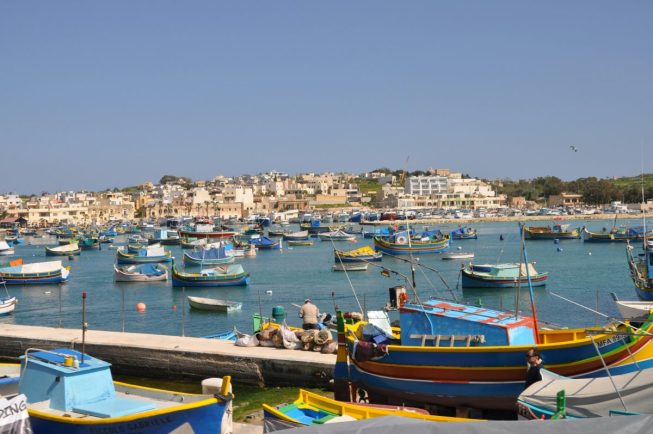
Malta’s Nomad Residence Permit offers non-EU remote workers the chance to live and work in one of Europe’s most attractive destinations.
This program combines flexibility with access to Malta’s high-quality lifestyle and robust infrastructure.
Julia Loko, Investment Programs Expert at Immigrant Invest, provides a step-by-step guide to understanding Malta Nomad Residence, its benefits, eligibility criteria, and application process.
What is Digital Nomad Program in Malta?
Malta’s Nomad Residence Permit allows non-EU citizens to live in Malta while working remotely for foreign employers or clients. It’s valid for one year and renewable, making it ideal for professionals seeking a stable base in Europe.
Like other digital nomad visa countries this visa does not permit employment with Maltese companies. Instead, applicants must demonstrate a remote work arrangement or ownership of a business outside Malta.
Malta’s location in the Mediterranean provides easy access to European, African, and Middle Eastern markets, along with excellent internet infrastructure to support remote work.
11 Benefits of Malta Nomad Visa
1. Living in a central location. Malta’s location in the Mediterranean makes it an ideal hub for travel. With its proximity to major European cities and direct connections to North Africa and the Middle East, digital nomads can explore new destinations without long-haul flights.
2. Retaining foreign income tax status. Malta does not tax income earned outside its borders, making it financially attractive for remote workers. This allows nomads to maximise their income while enjoying Malta’s benefits.
3. Enjoying a stable political environment. As a member of the European Union and the eurozone, Malta provides political and economic stability. This creates a reliable environment for remote workers planning long-term stays.
4. High standard of living. Malta offers modern healthcare facilities, reliable public services, and a sunny Mediterranean climate. Combined with a rich cultural heritage, these features create a comfortable and enjoyable lifestyle.
5. Access to cultural diversity. Malta’s unique blend of European, Mediterranean, and Middle Eastern influences offers a wealth of cultural experiences. From historic landmarks to local cuisine, there’s always something new to explore.
6. Family inclusion. The visa allows dependents to join the applicant, including spouses and children. This makes it a practical option for digital nomads who want to relocate with their families.
7. Low crime rates. Malta is one of the safest countries in Europe, with low crime rates and a welcoming community. This ensures peace of mind for both individuals and families.
8. Strong English proficiency. English is an official language in Malta, making it easy for English-speaking nomads to communicate and integrate into the local community. Everyday tasks like shopping and socialising become seamless.
9. Simplified application process. The application process for the Nomad Residence Permit is straightforward. Clear documentation requirements and an efficient system ensure minimal delays for applicants.
10. Local support services. Malta’s thriving expat and digital nomad community offers co-working spaces, professional networking events, and support services. This makes it easy to connect with like-minded individuals and build a professional network.
11. No long-term obligations. The Nomad Residence Permit is valid for one year and renewable, allowing flexibility for those unsure of long-term plans. Nomads can decide whether to extend their stay or move elsewhere without commitment.
These benefits make Malta an attractive destination for remote workers seeking a secure, comfortable, and well-connected base in Europe.
Eligibility for Malta Digital Nomad Visa
Who can apply:
● non-EU citizens who work remotely or manage a foreign business;
● applicants must earn at least €3,500 per month.
Employment and financial proof. Applicants must show employment contracts, business ownership documents, or freelance client agreements, along with evidence of financial stability.
Health and travel insurance. Comprehensive health insurance covering Malta is mandatory during the permit’s validity. Proof of return tickets may also be required for temporary residents.
Accommodation in Malta. Applicants need a rental or property agreement to confirm their living arrangements during their stay.
How to Apply for Malta Digital Nomad Visa
Step 1. Gather required documents.
● passport copy.
● proof of employment or business ownership.
● evidence of income, such as bank statements, contracts;
● valid health insurance.
● accommodation details.
Step 2. Complete the application form. Submit the official form to the Residency Malta Agency, ensuring all details are accurate and supported by the documents.
Step 3. Pay the processing fee. The application fee is approximately €300 for the primary applicant. Additional fees apply for dependents.
Step 4. Wait for approval. Processing takes four to six weeks. Once approved, the applicant receives a residence card.
Step 5. Move to Malta. After approval, the applicant can travel to Malta and activate the permit.
Top Regions in Malta for Living as a Digital Nomad
Malta offers several regions that cater to different preferences for digital nomads. Whether prioritising vibrant city life, coastal tranquillity, or a mix of both, there’s something for everyone.
1. Sliema and St. Julian’s. The hub of activity. These neighbouring towns are the most popular among expats and digital nomads. Sliema offers modern apartments, shopping malls, and co-working spaces, while St. Julian’s is known for its nightlife and dining options. Both have excellent internet infrastructure and vibrant expat communities.
2. Valletta. A historic gem with convenience. Malta’s capital is perfect for those who enjoy history and culture. The city features stunning architecture, boutique co-working spaces, and easy access to transportation hubs.
3. Gozo. Peaceful and picturesque. For digital nomads seeking tranquillity, Gozo is an excellent choice. The island has slower-paced living, scenic landscapes, and a tight-knit community. While not as bustling as Malta’s main island, Gozo offers reliable internet and serene work environments.
4. Mellieħa. Coastal living with space. Known for its beautiful beaches and natural surroundings, Mellieħa offers a balance between work and relaxation. It’s a quieter town with fewer crowds but still provides access to necessary amenities.
5. Gzira. Up-and-coming hotspot. Gzira sits between Sliema and Valletta, making it a convenient location for those who need quick access to both. It offers affordable housing, co-working spaces, and a growing digital nomad scene.
Making a choice. Selecting the right region in Malta depends on lifestyle preferences and work requirements. Whether it’s the energetic pace of Sliema, the charm of Valletta, or the tranquillity of Gozo, Malta has options to suit every digital nomad’s needs.
Conclusion
Malta’s Nomad Residence Permit offers a practical solution for remote workers who want to live in Europe while maintaining foreign work connections. It provides tax benefits, a high standard of living, and family inclusivity. To start this journey, gather the required documents and submit your application through the Residency Malta Agency.