
Controlling overheads like energy costs is vital in business. Energy bills can be a significant burden, and if you don’t fully understand how seasonal energy tariffs work, you may be overpaying. Business energy comparison tools can help businesses analyse their energy usage and find better deals, especially regarding seasonal pricing changes.
Seasonal tariffs reflect how energy prices fluctuate throughout the year, often affecting electricity and gas costs. This article will discuss how energy demand during different seasons affects pricing and how you can make smarter choices to manage expenses more efficiently.
How Seasonal Energy Tariffs Affect Business Energy Costs
The Impact of Seasonal Energy Tariffs
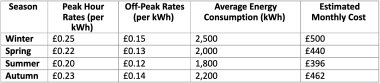
Seasonal energy tariffs are a key reason your business energy bills can vary dramatically throughout the year. These tariffs are typically designed to reflect the seasonal fluctuations in energy demand. For example, heating requirements cause a spike in gas consumption during winter, leading to higher gas prices. Conversely, summer may bring higher electricity prices due to the demand for cooling.
During peak demand times, many gas suppliers and electricity suppliers will increase unit rates to reflect the strain on the energy grid. For businesses, this means that if you don’t plan for these fluctuations, you could be stuck with a much higher bill than anticipated.
Off-Peak vs. Peak Times
One of the most noticeable effects of seasonal rates is how they affect off-peak and peak-hour pricing. Most energy suppliers charge higher electricity prices during peak hours, typically between 7 AM and 9 AM or 4 PM and 7 PM. These are when energy usage spikes because businesses are fully operational, with energy consumption peaking during these high-demand hours.
On the other hand, off-peak times, like late evenings and overnight hours, tend to offer significantly lower rates. These are when off-peak electricity rates apply, allowing you to save energy and reduce your bills if you adjust your operations. Businesses can save money by shifting energy-intensive tasks to off-peak hours or investing in smart home devices that automate this switching.
The Role of Smart Meters in Managing Seasonal Tariffs
Smart meters are a great tool for helping businesses understand their energy consumption patterns and spot trends related to off-peak electricity and peak times. These meters provide real-time data on how much energy you’re using and when you’re using it. This can be crucial for businesses looking to optimise their energy usage and save energy during high-demand months.
When monitoring energy usage closely, companies can shift their energy-intensive tasks to periods when off-peak rates are active. This will directly impact the cost of your business electricity tariffs over time.
Managing Energy Consumption with Smart Meter Data
For example, a business that uses more energy during the day could implement energy-saving measures such as using energy-efficient appliances or operating equipment during off-peak periods.
The data from smart meters can also help businesses recognise energy savings opportunities, such as reducing energy consumption during peak hours or adopting renewable energy options during periods of high demand.
How Business Energy Suppliers Influence Seasonal Pricing
Your energy supplier significantly influences how your seasonal tariffs are structured. Some suppliers offer fixed-rate deals that stay consistent throughout the year, which may provide some stability. However, these fixed contracts often have higher initial costs. Alternatively, variable-rate contracts can change based on wholesale prices, usually higher in winter due to increased gas demand for heating.
Contract comparison is crucial when choosing your energy suppliers to ensure you get the best deal for your business’s unique needs. Whether you’re a small or larger business, shopping around and understanding how seasonal energy prices impact your overall costs can lead to better savings.
Energy Management Systems: A Powerful Tool for Seasonal Energy Cost Control
Adopting energy management systems can give businesses an advantage when managing their energy usage and demand. These systems allow you to monitor, analyse, and control your energy consumption, ensuring you never pay more than necessary. By integrating these tools with smart meters, businesses can accurately predict when to reduce energy use and save money during high-demand seasons.
Benefits of Energy Management Systems
- Real-time tracking: See exactly how much energy your business uses at any moment.
- Cost prediction: Understand how energy prices fluctuate over the year and adjust accordingly.
- Data-driven decisions: Make smarter decisions regarding energy-saving investments and renewable energy usage.
 Renewable Energy and Seasonal Pricing: The Long-Term Solution
For businesses looking for a more sustainable solution, renewable energy can help reduce the impact of seasonal rate changes. Solar panels, wind turbines, or energy storage systems can provide cheaper, renewable energy to run your business. While the initial investment may be higher, the long-term savings on electricity prices can outweigh these costs.
In Great Britain, businesses with access to renewable energy options can significantly cut their dependence on gas-powered plants, especially during peak demand seasons when energy suppliers typically raise their prices. Plus, using more renewable energy helps lower your carbon footprint and demonstrates your commitment to sustainability.
Energy Rates Throughout the Year
Final Words
Seasonal energy rates can significantly impact your business’s energy costs, especially when you don’t plan—energy tariffs change based on the season, affecting electricity and gas prices.
Smart energy management, such as switching tasks to off-peak hours and using smart meters, can help control costs. Contract comparison with energy suppliers is a key strategy for saving money.
FAQs
How can I minimise costs from seasonal energy tariffs?
Shifting energy-intensive tasks to off-peak hours, using smart meters, and investing in energy-efficient appliances can lower businesses’ energy bills during high-demand months.
What role do smart meters play in managing seasonal rates?
Smart meters provide real-time data on your energy usage, allowing you to identify off-peak periods and shift your operations to cheaper electricity times, thus saving money on your electricity bill.