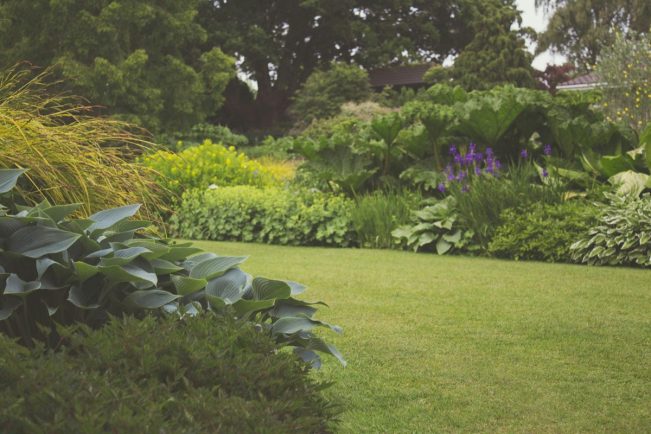
British gardens are now more difficult than they were 10 years back, and most people who own their own gardens are resorting to less noise and smarter gadgets, which ensure the outdoor places are healthy with minimal effort. Unpredictable weather, water limitations, and challenging soil tend to interact, and one cannot find a solution to a single issue.
Unpredictable Weather
Sudden heat followed by heavy rain places stress on plants that rely on steady moisture. These swings also make manual watering inefficient because yesterday’s approach may not suit today’s conditions. Smart systems react to changing patterns faster than routine habits, ensuring garden stability even in unpredictable climates. They also prevent shallow root growth that often develops when watering patterns fail to match rapid weather shifts.
Water Restrictions
Hosepipe bans appear more often, especially during long dry spells. This pushes households to depend on stored rainwater, which requires reliable movement across the garden. Many people now look into which garden water pump suits the size of their water butt or the distance between planting areas. Pumps support consistent irrigation when mains use is limited, so stored water becomes a practical asset rather than an emergency backup.
Heavy Clay Soil
Clay soil retains water too long during winter and insufficiently during summer. In both, the roots fight; hence, the need to check on moisture. Sensors can be used to determine the time when the soil is really ready to be watered, avoiding unproductive use of water and eliminating the possibility of waterlogged beds. Such a specific technique is effective in such areas as the Midlands, where clay is widespread.
Time Constraints
The contemporary habits do not allow for scrutinizing watering regularly. Scheduling is automatically adjusted with the help of the soil data and recently fallen rainfall, and it helps to decrease the daily labour load without compromising the well-being of the plants. These tools provide gardeners with enhanced freedom and aid in the long-term growth of the beds, borders, and lawns.
The popularity of smart watering tools is attained by the fact that they address multiple issues simultaneously, rather than being stylish. They add regularity in the fluctuating weather, contribute to the wise use of water, and reduce the burden of challenging soil. Most of the households also discover that, as soon as their garden obtains a consistent and controlled watering, the choice of plants grows and designs become more relaxed, as the environment is no longer determined exclusively by the constraints of the soil.
Article written by Ryan Walker