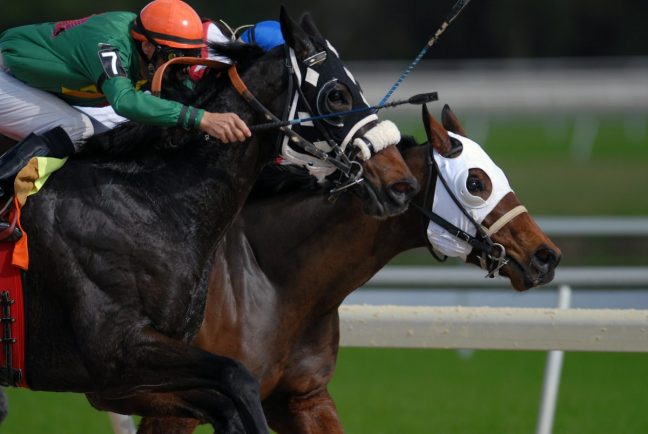
Cheltenham Festival is not only a horse racing meeting for hurdles enthusiasts: it is part of the English culture. The event has a long history that resonates through the decades and has become arguably the biggest reason to visit this beautiful English town that is not exactly a renowned touristic spot.
The event, though it has changed over the years, still attracts numerous horse racing enthusiasts and fuels the historic rivalry between the UK and Ireland. If you’re a horse racing fan and want to get some odds and predictions for the 2026 edition, you can check out Cheltenham odds with oddschecker, a comparison site that will keep you updated on bonuses and predictions about this historical competition every day.
The early years
The festival was born in 1860. At that time, it was held in Market Harborough, because the racetrack we use today was realized only after 1900. It was an itinerant event, mainly hosted by the town of Warwick but then, around 1911, Cheltenham became its official location and the name we still use was baptised.
For almost a century, the Festival lasted only 3 days. Steeplechasing became established in nearby Andoversford from 1834 and moved to the present course in 1898. The course near Prestbury had a wide popularity and contributed to the growth of the Festival until 1964, In that year, Racecourse Holdings Trust, nowadays known as Jockey Club Racecourses, was formed to secure the future of Cheltenham. Today, the group owns 14 racecourses, which are a combination of jump, flat and dual-purpose courses.
In addition to that, it owns training grounds in Newmarket, Lambourn, Epsom and the National Stud. The Jockey Club Group reinvests all profits back into British racing to ensure its continued success and provided a platform that transformed the Cheltenham Festival into the mundane event it is today.
Modern times and the Gold Cup
In 2005, when the Festival had already become a popular event, the Jockey Club decided to add one day and bring the race total to 28, 7 per day. A big reason for this jump in popularity is due to the main race of the meeting, held on Friday: the Gold Cup.
In 2024, the board managed to get the original cup back. The trophy has been in a vault since the 1970s. The 1924 CheltenhamGold Cup weighs 644 grams of nine carat gold and is plated in 18 carat gold to give it a rich colour. It is mounted on a plinth bearing the names of every horse to have ever won the great chase. The future winning owners will receive a replica of the original Cheltenham Gold Cup to keep, with the Cheltenham Gold Cup remaining in town over the year.
Cheltenham Gold Cup crowned the greatest champions in jump racing history and will continue to do so for a while, since the Festival is as popular as ever. Gold Cup Day truly is a relentless parade of top-class action.
The best jockeys and horses face one against the other after three full days of intense competition, squaring off for one of the most coveted trophies in this category. In 1924, the Gold Cup was a side event to the County Hurdle; today it is the greatest race in Cheltenham and one of the most watched in horse racing.
A Festival for the Irish?
What amazes the most at the Cheltenham Festival is how engaged Irish jockeys, owners and trainers are. It is almost as if this is one of their meetings, even if they need to cross the sea to get here.
This peculiar trophy is a team award. Usually it is awarded on the third day, as soon as Team England or Team Ireland reaches its 14th victory. The Irish are dominating at the moment, with their 20 wins against England’s 8, but the home team is keen on tying the challenge and is devising strategies to increase its win total.
Article written by Jack Harris