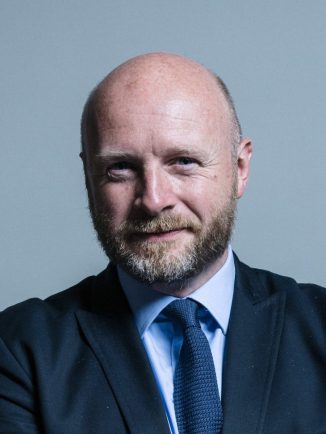
Like most people, I started work as a teenager and I’ve done every job under the sun. I’ve been a white van driver; I’ve swept factory floors and helped lay railways; I’ve sold photocopiers and I’ve started a fast-growing technology business.
But I started my working life on the shop floor at McDonald’s, a firm that now employs over 200,000 people. Yet, unlike in my day, 90 per cent of workers at McDonald’s are currently on zero hours contracts. And on the Business and Trade Committee, which I chair in Parliament, we’ve heard alarming evidence that the zero hours contract culture has allowed abuse at restaurants to flourish. So, we hauled in the chief executive to answer our questions.
The first allegations of sexual harassment emerged five years ago when the Bakers, Food and Allied Workers Union (BFAWU) said it had received 1,000 complaints from staff. This was not unique to Britain with cases of sexual harassment in McDonald’s restaurants widely reported in the US. And in May 2020 an international coalition of labour unions filed a complaint against McDonald’s.
But things seem to have got worse in Britain. In July 2023, the BBC published an investigation which revealed what it called a “toxic culture of sexual assault, harassment, racism and bullying” at McDonald’s restaurants in the UK.
McDonald’s has without doubt raised their game and taken steps to clamp down on long-running problems.
But the firm can’t – or won’t – seem to recognise that abuse flourishes when there’s an imbalance of power in the workplace – and that imbalance of power is caused by the widespread use of zero hours contracts, where managers can get their way without fear of complaint by threatening not to give workers the hours they need.
It won’t surprise you to learn that the firm pushing hardest to maintain zero hours contracts is McDonald’s.
In truth, this is part of a wider problem in our economy which I’m looking into. Think about Deliveroo which employs 135,000 people. Most are classed as ‘self-employed’ because that way, Deliveroo doesn’t have to provide the basic protections that workers receive if they’re properly employed by a firm. There are many, many complaints about the turquoise-clad riders being taken for a ride by the firm’s bosses and underpaid.
Or take Evri. Complaints against the firm’s delivery drivers are endless but on examination you find the workers are poorly treated; more than 70 per cent of Evri’s drivers are classed as self-employed and stories abound of staff short-changed on wages or given impossible delivery targets or enduring unsafe conditions. Yet, the firm has just doubled its profits to almost £120million.
The laws of our land are about to change to give workers better protections. Of course, business needs a certain flexibility but there are too many bad actors who don’t seem to care about that old idea of an honest day’s pay for an honest day’s work.
I want to live in a country where, like in my teenage years, the young people of Solihull can learn the value of good old-fashioned hard work from an early age without fear of exploitation.
<b>Liam Byrne
Birmingham Hodge Hill and Solihull North MP</b>