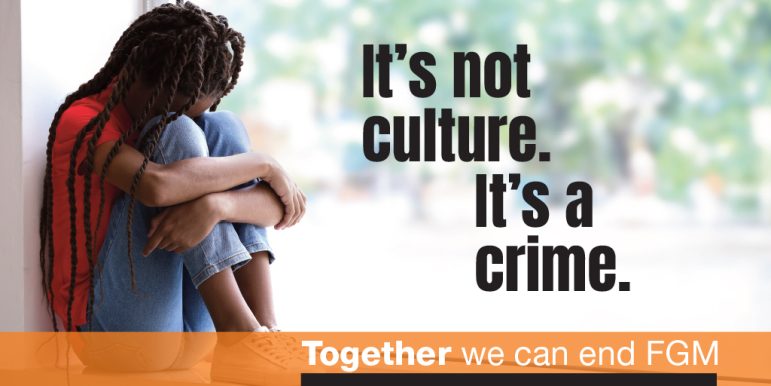
HELP IS at hand for Female Genital Mutilation (FGM) victims and those at risk of the harmful practise.
That’s the message from West Midlands Police as it marked International Day of Zero Tolerance for FGM on February 6.
The day is dedicated to raising awareness of and taking action against this harmful practice that affects millions of women and girls globally.
FGM is when the female genitals are deliberately cut, altered or removed for non-medical reasons.
It’s also known as female circumcision or cutting, but has many other names including sunna, gudniin, halalays, tahur, megrez or khitan.
The consequences of FGM are severe and can have lifelong physical, psychological and social implications.
FGM is not part of any religion – it’s physical abuse and it’s illegal.
This includes practicing FGM in the UK, assisting a person to mutilate their own genitalia or taking someone who is a British National or permanent resident of the UK abroad or habitually resident, for FGM whether or not it is lawful in that country.
The force say identifying cases of FGM can be challenging due to the secretive nature of the practice.
Police say the signs that may indicate FGM might happen include:
- A relative or someone known as a ‘cutter’ visiting from abroad
- Discussions about an upcoming ceremony or special occasion where a girl ‘becomes a woman’ or is ‘prepared for marriage’
- A female relative like a mother, aunt or sister has undergone FGM
- A family arranges a long holiday overseas or visits a family abroad during the summer holidays
- A person has an unexpected or long absence from school, university or work
- A girl runs away or plans to run away from home.
It added signs FGM might have taken place include:
- Health issues – complaints about difficulty walking, sitting or frequent urinary or menstrual problems
- Behavioural changes – sudden changes in behaviour, such as appearing quiet, anxious or depressed
- Acting differently after an absence from school, university or work
- Reluctance to go to the doctors or have routine medical examinations
- Asking for help – though they might not be explicit about the problem because they’re scared or embarrassed.
There are a range of local charities and support services you might want to talk to if anyone is worried about themselves or another person.
More advice is available on the NSPCC website.
If someone is at risk of or has undergone forced genital mutilation or to report information on anyone involved with FGM contact police on 101 or Crimestoppers on 0800 555 111 anonymously.
If anyone is in immediate danger dial 999.