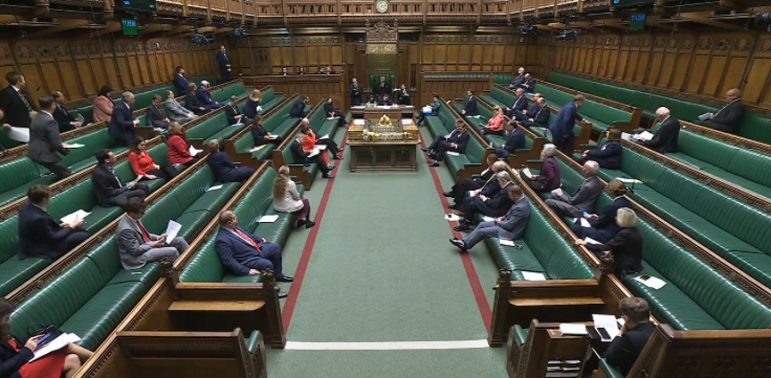
THE Assisted Dying Bill has split opinion with Solihull own MPs with two voting against and one voting for.
Dr Neil Shastri-Hurst MP (Conservative) for Solihull West and Shirley voted in favour of the bill.
Liam Byrne MP (Labour) for Birmingham Hodge Hill and Solihull North and Saqib Bhatti MP (Conservative) for Meriden and Solihull East voted against.
The bill made it through in this afternoon’s vote by 330 votes to 275.
The Terminally Ill Adults (End of Life) Bill 2024-25 went before the House of Commons after being brought by Kim Leadbetter MP as a Private Members’ Bill.
The bill includes a substantial safeguarding criteria before a person is permitted to end their life, including assessments by two doctors, at least seven days apart. It will also be up to the High Court to decide if the requirements are met.
Both Mr Bhatti and Mr Byrne were concerned about the constraints on healthcare professionals.
Mr Bhatti said: “It places an undue burden on health professionals and is not robust enough to ensure adequate safeguards are in place to protect vulnerable people.”
Mr Byrne added: “The proposed safeguards are not strong enough, not least because the condition of the NHS and the legal
system simply could not support the demands that the Bill would place on them.”
As a former medical practitioner, surgeon and healthcare barrister, Dr Shastri-Hurst said he believes in choice.
He said: “Prior to coming into Parliament, I worked as a medical practitioner for more than a decade.
“I do not see the End of Life Bill as a binary choice between improving palliative care or assisted dying.
“Rather, they should be considered as a range of choices available to patients at the terminal phase of their lives.”
Speaking in the commons, he said he apologised to the patients he failed, in not giving them the death they wanted.
Prime Minster Sir Kier Starmer voted in favour, as did Chancellor Rachel Reeves and former prime minister Rishi Sunak.
Among the most prominent MPs to vote against were Health Secretary Wes Streeting, who will now have a prominent role in shaping the legislation, as well as Angela Rayner, the deputy prime minister, and opposition party leaders Kemi Badenoch, Ed Davey and Nigel Farage.