HEALTH watchdogs have noted improvements at University Hospitals Birmingham NHS Foundation Trust (UHB) in its latest inspection.
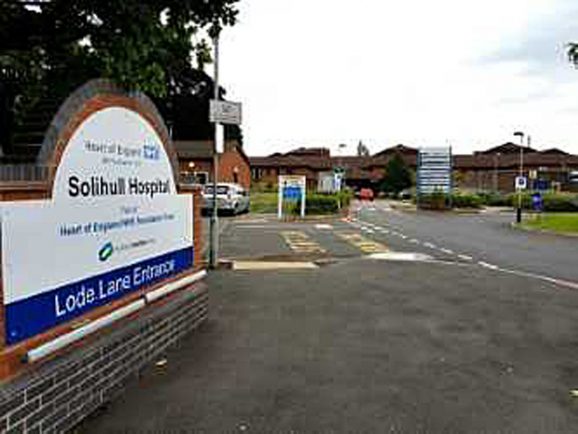
The Care Quality Commission (CQC) has rated UHB, which oversees the running of Solihull, Heartlands, Good Hope Hospitals and Queen Elizabeth Hospital Birmingham, as good for how well-led it is following an inspection in April and May.
Previously the trsut was rated inadequate for leadership in an inspection using its previous methodology for trust ratings.
The CQC now gives NHS trusts a single trust-level rating focusing on leadership and culture that replaces all other ratings at a trust level.
Charlotte Rudge, CQC deputy director of operations in the midlands, said: “We found University Hospitals Birmingham had made many improvements to its leadership since our previous inspection.
“Leaders now provided a clear shared direction for the organisation which didn’t just align plans and objectives but translated them into real action to improve people’s care. They were also compassionate and inclusive, putting people at the heart of the decisions they made.
“It was encouraging to see leaders had created an open and supportive culture where staff could provide feedback and share concerns.
“At the previous inspection, we told the trust leadership they needed to do more work to significantly improve culture and staff wellbeing. In response, they introduced a comprehensive plan and took action to make significant improvements in this area.”
Inspectors also noted that leaders supported and encouraged staff to develop their skills and take part in opportunities to innovate and develop services, improving the experience of people using them. and they understood the environmental impact of the trust’s activities and took steps to minimise and reduce these, while supporting people to do the same.
Charlotte added: “Staff told us they had more of a voice in the organisation. For example, allied health professionals told inspectors that leaders respected and included their profession more and also introduced a professional lead role. The trust’s latest NHS Staff Survey results also highlighted progress, and they had established a ‘Wise Council’ with over 900 members of staff contributing to change and development.
“The trust now also had a senior management structure for each of its hospitals, with a hospital executive director and their team providing local leadership. Staff appreciated this autonomy and local support while feeling part of the wider organisation.
“The trust should be proud of the improvements it has made to leadership, culture and governance. We look forward to seeing their continued progress and how this helps shape the organisation in future.”
However, it was also noted that leaders need to do more work to reduce waiting times, crowding and handover delays in the trust’s three emergency departments and some staff were still concerned about being identified if they raised concerns and some still talked about experiencing bullying and intimidation.
Jonathan Brotherton, chief executive at the Trust, said: “The CQC’s well-led report, as well as the additional 13 core service inspections across the Trust this spring, show an improving picture at UHB.
“While the premise of the well-led inspection was to investigate the leadership of the Trust, this rating is reflective of much more than that. It is a testament to all the hard work our teams put in, day in and day out, to do their best for our patients. There is still more work for us to do, but we are moving in the right direction.
“Leadership and decision making is now made much closer to patients, and our hospital leaders have a much better understanding of local issues and are empowered to address them. Our colleagues also have a greater sense of belonging to and pride in their hospital and in their service, which was reflected in the CQC’s report.
“I am proud of all 25,000 colleagues who make UHB what it is and am grateful for their continued hard work and dedication to our patients and each other.”