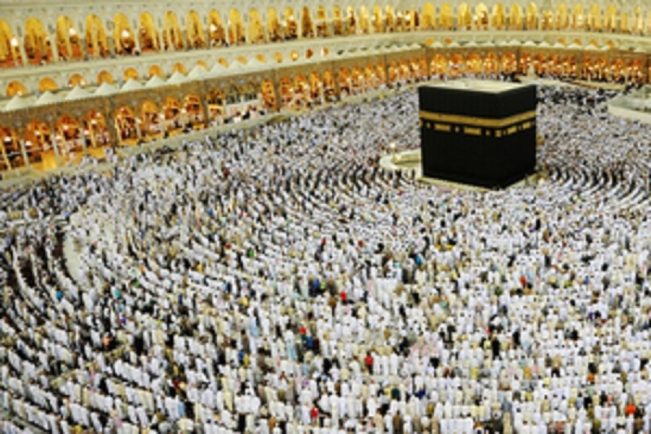
TRAVELLERS who are heading to the Kingdom of Saudi Arabia (KSA) for Umrah and the upcoming Hajj pilgrimages are being urged to make sure they are vaccinated against meningococcal disease .
The UK Health Security Agency (UKHSA) has issued the advice to get the MenACWY vaccine, due to ongoing outbreaks of serogroup W (MenW) disease associated with travel to KSA.
UKHSA has confirmed five cases of MenW disease between February and March 2025 in people who had recently returned from KSA or in their close contacts in England and Wales.
Invasive meningococcal disease is rare but serious and is caused by meningococcal bacteria.
Meningococcal meningitis (inflammation of the lining of the brain and spinal cord) and septicaemia (blood poisoning) are severe conditions that can kill or leave people with life-changing disabilities.
Those undertaking Hajj or Umrah, along with seasonal workers, are required to present a valid certificate of MenACWY vaccination issued between 10 days and three to five years before arrival, depending on the type of MenACWY vaccine previously received.
The World Health Organization (WHO) and the National Travel Health Network and Centre (NaTHNaC) advise, however, that all travellers to KSA should consider receiving the quadrivalent meningococcal (MenACWY) vaccine.
While abroad and in the two weeks after returning to the UK, pilgrims and travellers returning from KSA should monitor for symptoms like fever, a very bad headache, vomiting, stiff neck, rash, extreme sleepiness, and seizures.
Anyone who has symptoms and becomes concerned about their own or someone else’s health should seek immediate medical advice or dial 999 in a medical emergency.
Dr Naveed Syed, UKHSA West Midlands health protection consultant and member of UKHSA’s Muslim Public Health Network, said: “Pilgrims are at increased risk from a range of vaccine preventable diseases, so anyone going to Hajj should be up to date with routine immunisations given in the UK.
“Parents should also make sure any children are up to date with their vaccinations, especially those for meningitis.
“Discuss with your GP what vaccinations are most appropriate before travel, and don’t forget to take a good supply of any regular medication. It’s also important to keep hydrated and wear sunscreen at this time of year.
“Pilgrims should avoid contact with camels or consuming camel products, to reduce risk of infection from MERS-CoV. Ceremonial head-shaving for men, with shared razors, carries the risk of blood-borne viral infections, so it’s important that this part of the Hajj observance is carried out by a licensed barber using a clean blade for each pilgrim. As always, practicing good hand and respiratory hygiene are great ways to stop bugs spreading.”
UKHSA is also advising pilgrims about Middle East Respiratory Syndrome coronavirus (MERS-CoV).
While risk to UK travellers remains low, pilgrims should avoid consuming raw or undercooked animal products, avoid contact with camels and animal waste and practise good hygiene, particularly washing hands after visiting farms, barns or markets.
Should fever, coughing or breathing difficulties develop within two weeks of leaving Saudi Arabia, contact a GP or NHS 111, mentioning recent travel history and any contact with respiratory cases, healthcare facilities or camels during travel.
Further information on vaccinations and travel health precautions for KSA is available on the NaTHNaC’s website.