In today’s world, cars are an integral part of most people’s lives.
However, their use has a significant impact on the environment.
One way to minimize this negative effect is to regularly maintain your car and change the engine oil in a timely manner. Let’s take a look at why this is so important.
Used oil loses its properties over time, resulting in a decrease in engine efficiency. This, in turn, causes increased emissions:
Old oil reduces the engine’s ability to perform at optimum levels, resulting in the emission of carbon dioxide (CO₂) and other harmful substances such as nitrogen oxides (NOx). Oil residue can enter the combustion chamber, causing harmful aerosol particles. Regular oil changes keep the engine in good condition, minimizing air pollution.
Untimely oil changes increase the risk of oil leakage through engine seals and gaskets. Spilled oil has a devastating effect on the environment:
Contamination of soil and water bodies: Oil slicks enter the soil and run off into water bodies, destroying ecosystems. Waste oil is difficult to recycle, and improper disposal can cause long-term damage to nature. Car care prevents leaks and reduces the risk of pollution.
Regular vehicle maintenance, including oil changes, helps the engine run more efficiently, which in turn: Properly lubricated engine oil reduces friction, allowing the engine to use less fuel. A healthy engine has a longer lifespan, which reduces the need to manufacture new parts and reduces the carbon footprint associated with their manufacture. Saving fuel and resources directly reduces the burden on the environment.
Regular oil changes are a cornerstone of vehicle maintenance, essential for ensuring your engine operates smoothly and efficiently. Neglecting this fundamental task can lead to decreased performance, higher repair costs, and potentially severe engine damage. This article explores the importance of regular oil changes, how they benefit your vehicle, and practical tips for keeping your engine oil in top condition.
What Does Engine Oil Do?
Engine oil serves several critical purposes in your vehicle:
- Lubrication: It reduces friction between moving parts, preventing wear and tear.
- Cooling: Oil absorbs heat from engine components and dissipates it away from the engine.
- Cleaning: It captures debris, dirt, and metal particles, preventing them from damaging the engine.
- Sealing: Oil helps seal gaps between the piston and cylinder walls, ensuring efficient combustion.
- Corrosion Protection: By coating engine components, it reduces exposure to oxygen and moisture, minimizing rust and corrosion.
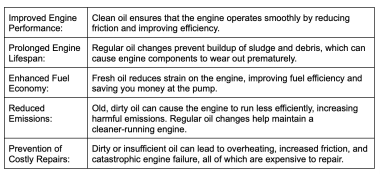
Benefits of Regular Oil Changes
Advice from AUTODOC experts:
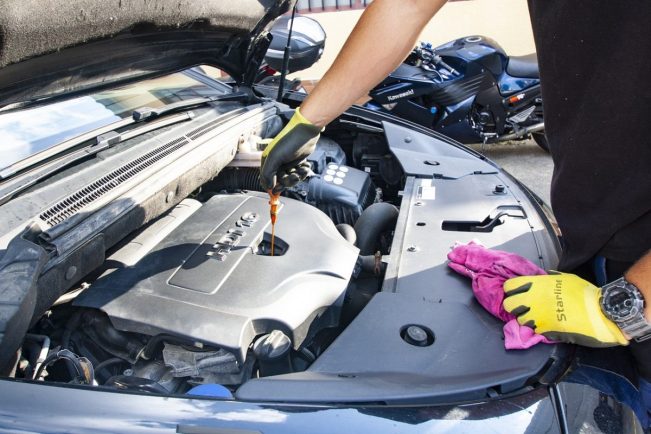
“Fresh oil should be dark orange, so be sure to do a colour check with a car oil dipstick. To do this, drive about six miles, then stop the car on a flat surface, wait about two minutes so that the oil can accumulate in the pan, then take a look. Please note that too much oil can cause damage to the engine, just like not using enough.”
Engine oil and transmission oil or fluid have different functions in the vehicle and have different compositions and characteristics. Let’s look at their main differences and also you can find more tips on how to choose gearbox oil from autodoc.co.uk
1. Purpose
Motor oil:
It is used to lubricate, cool and protect the engine. It reduces friction between moving metal parts, prevents wear and tear, removes contaminants, and helps cool the engine.
Transmission Oil/Fluid:
Used to lubricate and cool transmission components such as gears, bearings, clutches and torque converter. In automatic transmissions, transmission fluid also transmits hydraulic pressure to control gear shifts.
2. Composition
Engine oil:
Consists of a base oil and an additive package that improves its antifriction, anti-corrosion and detergent properties. It is designed to operate at the high temperatures and pressures typical of an engine.
Transmission Oil/Fluid:
Contains enhanced anti-wear and anti-friction additives, as well as substances to prevent foaming and oxidation resistance. For automatic transmissions, the fluid has additional properties such as viscosity maintenance and compatibility with friction materials.
3. Viscosity
Engine Oil:
Engine oil viscosity is measured by standards such as SAE (e.g., 5W-30 or 10W-40). Engine oil has a lower viscosity to effectively penetrate narrow engine gaps.
Transmission oil/fluid:
Transmission oils have a higher viscosity (such as 75W-90 or 80W-140) because they are designed to handle heavy loads in the transmission. Automatic transmission fluids have lower viscosities to provide hydraulic functions.
Tips for minimizing environmental damage
- Use high quality oil: It retains its properties longer and reduces emissions.
- Keep an eye on the oil level: Regular checks will help prevent leaks.
- Dispose of oil at specialized points: This ensures that the used product is disposed of correctly.
- Switch to eco-friendly oils: Some manufacturers offer oils with a reduced carbon footprint.
- Plan your journeys: Efficient use of your car can reduce the total number of journeys and reduce emissions.
Engine oil and transmission oil play a key role in keeping your vehicle running, but they serve different functions and have unique formulations. Following the manufacturer’s recommendations and using the correct type of oil/fluid are important aspects that will help extend the life of your vehicle and prevent costly repairs.
Conclusion
Regular oil changes are one of the simplest yet most effective ways to maintain your car’s performance and longevity. They protect your engine, save money in the long term, and contribute to a safer and more efficient driving experience. By adhering to a consistent oil change schedule and paying attention to your vehicle’s needs, you can ensure your car remains in peak condition for years to come.
Source of information about oil change from AUTODOC
Article written by Olena Kirsanova