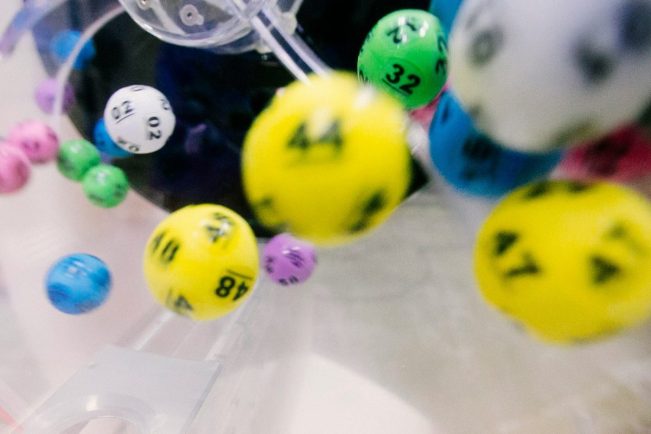
We live among risks and chances, most of them small, some large, all around us. Probability is the tidy language scientists and statisticians use to talk about uncertainty. It’s not magic. It’s counting, patterns, and a kind of disciplined guesswork that helps us decide whether to carry an umbrella, buy insurance or play a scratchcard on the way home.
Simple rules, big effects
At its heart, probability asks a straightforward question: how likely is something to happen? Flip a fair coin and there’s a 50/50 split between heads and tails. Roll a six-sided die and the odds of landing a five are 1 in 6. Those are textbook examples — neat, predictable. Life rarely hands us neat examples, though. Events mix, overlap, depend on past outcomes and human behaviour. That’s where probability gets interesting, and a little messy.
Think about weather forecasts. Saying there’s a 40% chance of rain doesn’t mean it will definitely rain in 40% of the city. It means, roughly, that in similar past situations rain fell 40% of the time. Meteorologists combine historical patterns with models that simulate the atmosphere. The result helps farmers, school heads and festival organisers decide whether to risk a field event. Useful? Absolutely. Perfect? No — but it reduces surprise.
When it comes to real-world examples of probability, few concepts capture our imagination quite like the probability of winning the lottery, a perfect illustration of how people’s perceptions do not match the actual odds. The headline jackpot feels tantalisingly close; the mathematics says otherwise. Knowing the true odds doesn’t always stop people buying a ticket — but it should at least curb the delusion that a win is “due.”
Decisions under uncertainty
Probability isn’t only for bets and forecasts. Insurance companies price policies using statistical models of accidents, flood risk and health. Doctors use probability when they say a screening test will catch x% of cancers or that a treatment reduces risk by y%. These figures guide choices both at the policy level and the kitchen table when families weigh treatment options.
We use probability every day without naming it. Choosing a quiet time to drive to town, deciding whether to bring a coat, or estimating how long a queue might be — we’re constantly weighing likelihoods. Sometimes we overreact to rare events (plane crashes) and underreact to common ones (road accidents). Cognitive quirks — like seeing patterns where none exist — skew our sense of chance.
Probability is also present in health choices. When you’re offered a screening test, the numbers — sensitivity, specificity, false positive rates — can feel opaque. Yet they directly affect whether a test helps or harms. Understanding that a positive result doesn’t always mean disease, or that a small relative risk reduction might translate to a modest absolute benefit, changes how people choose. It should make conversations with clinicians clearer, and consent more informed.
So what’s the takeaway? Embrace probability as a tool, not a tyrant. Learn the simple ideas: relative vs absolute risk, what an odds ratio means in plain terms, and when “common sense” is misleading. Ask for numbers in a format you can compare. And yes, laugh at the lottery ads if you need to — but know the maths before you part with your cash.
Have you had a moment where a little statistical thinking changed a choice you made? Share your story in the comments below.
Written by ArticleHub