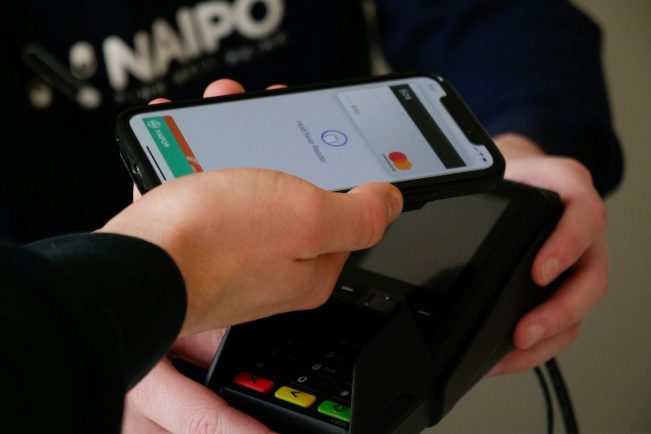
Technology is changing how we manage money. Digital payments changed from being simply more convenient to being a necessary infrastructure for life, business, and play.
Transactions that previously had long wait times or required visits to the bank now occur seamlessly and instantly via a mobile device or computer.
Technological solutions such as real-time settlement or AI security are changing what speed, security, and access mean. This transformation touches consumers, businesses, and entire industries. The iGaming industry is one of the most obvious use cases for the power of fast and seamless.
iGaming as a Test Case for Smooth Payments
iGaming is a clear example of fintech’s transformative power. Speed and trust are also connected to user satisfaction in online gaming. Deposits must be instant, no delays in withdrawals on winnings, and all transactions must be secure, as players expect. This is especially true for European online casinos, where seamless deposit options, multilingual interfaces, regulatory licensing, and mobile-optimised platforms have set high standards for user experience. These sites do this through instant deposits and payouts, support for multiple currencies and cryptocurrencies, real-time conversions from crypto to fiat to deal with volatility, and user-friendly one-click flows for the users’ convenience. Additionally, they use AI fraud and compliance shields and fintech orchestration platforms that integrate fiat and crypto payments into a cohesive and scalable system.
The potential is on a massive scale. Digital payments worldwide are growing at a rate of 9.9% per year, with an estimated $11.4 trillion in 2029. Showing that the infrastructure on which iGaming and other e-commerce industries are dependent. The absence of fintech advances is not an option; it is fundamental to be competitive and keep users.
Fast Digital Payments and Consumer Preferences
These same fintech developments are influencing consumer expectations in other industries. Choice of payment method is now driven by speed and ease of use rather than cost. Security is paramount as well. With the expectation that payment card fraud will increase, AI-based fraud detection is one of fintech providers’ major concerns.
The convenience is compounded by embedded finance and APIs. Mobile wallets, one-click checkout, and “buy now, pay later” (BNPL) services are friction-reducing in the performance of everyday transactions, making it easier for consumers and businesses to engage in commerce.
Consumers also want a payment experience that reflects their own habits, such as payment methods saved for future use, auto suggestions from their own past activity, and embedded loyalty rewards. Enhanced trust and transparency may also result from digital receipts, instant notifications of transactions, and easier redress of disputes.
Similarly, cross-platform flexibility has also been made possible by fintech. Users can make purchases directly within websites, apps, and even social media platforms that help with shopping without being transferred to another website. It creates a seamless experience and invitation to engage, as there is no need for the consumer to switch between various apps or platforms.
Borderless Finance and Financial Inclusion
Fintech is breaking down borders as well and providing access to banking and global commerce. Mobile payments, remittances, and digital cards broaden access to the unbanked in those markets.
For instance, Africa’s digital payments economy is projected to grow to $1.5 trillion by 2030 thanks to mobile money, remittances, and fintech services to Micro, Small, and Medium Businesses (MSMEs). This shows that fast payments are not only about convenience. They are an enabler for growth and an opportunity for anyone living in the UK and sending funds back home to another country.
The Midlands Opportunity
These trends are tangible opportunities for Midlands businesses. Digital payments can help SMEs with cash flow and admin burden, and deliver a seamless experience for customers.
The digital payments market is experiencing huge growth this year, with the Asia-Pacific region representing the largest market share, followed by North America and Europe. While adoption is more evident in the Far East and China, Western Europe, and therefore the UK, shows an interesting potential for growth.
Midlands enterprises can easily integrate global best practices through embedded finance mechanisms like APIs, one-click payments, and BNPL services without complex and costly transformations. By integrating these technologies, local companies can attract international customers, scale efficiently, and remain competitive.
As fintech continues to evolve, the integration of fast, secure, and seamless payment solutions will remain a defining factor for businesses and consumers alike, shaping the future of commerce both locally and globally.