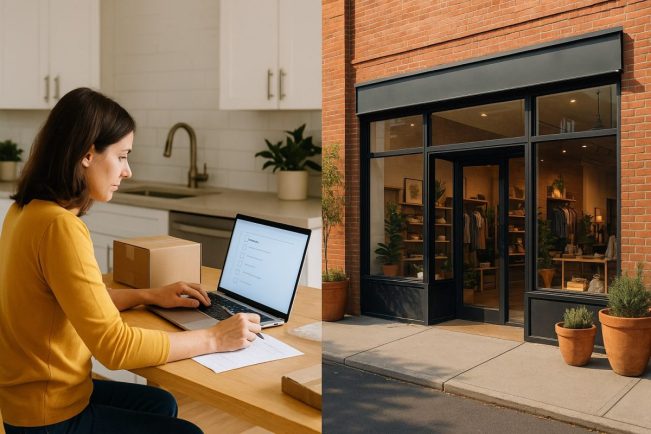
Launching a retail storefront after operating a successful home-based business is an exciting milestone for any entrepreneur.
While the transition may seem daunting, a methodical approach can help ensure a smooth journey from your kitchen table to a thriving brick-and-mortar location.
This guide provides practical steps to validate your business concept, secure an ideal location, design your retail space, navigate legal requirements, and successfully launch your new store. By following these recommendations, you can confidently scale your business while maintaining its unique character and connection with your customers.
Step 1: Assessing Your Readiness for Expansion
Before pursuing a physical storefront, it is crucial to evaluate whether your business is prepared for this next phase. Begin by gathering feedback from your existing customer base through targeted surveys distributed via email or social media. Ask questions such as, “Would you visit a retail location to try products, attend demonstrations, or participate in events?” Insights from your customers can help determine the potential demand for an in-person experience and guide your decision-making.
Step 2: Securing the Right Location
Finding a suitable retail space is about more than just square footage; it is about aligning your brand with the surrounding community. Start by exploring commercial real estate platforms, such as LoopNet, to identify high-traffic areas. Evaluate the synergy with nearby businesses – being adjacent to complementary stores can increase foot traffic and sales opportunities. Visit prospective locations during peak hours to gauge safety, vibrancy, and accessibility.
When negotiating your lease, aim for flexible terms, such as a three- to five-year agreement with renewal options and allowances for improvements. Ensure the space accommodates your operational needs, including display areas, stock storage, and comfortable zones for customer interaction.
Step 3: Designing and Preparing Your Store
Transforming an empty space into an inviting retail environment requires thoughtful planning and creativity. Use free design software to plan your store layout, ensuring clear pathways for browsing and prominent displays for featured products. Source fixtures and furniture economically by shopping at thrift stores or online marketplaces, blending vintage and modern elements to create a distinctive ambiance.
Before moving in, declutter your inventory by donating or discarding outdated products. Renting a Waste Removal USA dumpster can streamline the process and reduce stress. Personalize your space with local artwork, signature scents, and greenery to establish a memorable experience for visitors. Allocate four to eight weeks for store setup, allowing ample time for organization and creative touches that encourage repeat visits.
Step 4: Addressing Legal and Operational Requirements
Compliance is essential when transitioning to a retail storefront. Update your business license and Employer Identification Number (EIN) through your local small business office, which often offers online processing. Verify zoning regulations to ensure your chosen location is suitable, and review health and safety codes if you operate in food, beauty, or similar industries. Consult with an accountant to establish proper sales tax procedures.
Gradually expand your team and adjust supply chains to match your increased operational needs. Hiring part-time employees for peak hours and transitioning suppliers incrementally will help maintain service quality and minimize disruptions.
Step 5: Launching Your Storefront
A successful launch begins with a soft opening for loyal customers, featuring exclusive promotions and opportunities to gather feedback. Once you refine operations, host a grand opening and promote your business through targeted advertising, email campaigns, and partnerships with neighboring stores. This approach generates excitement, increases visibility, and establishes your presence within the community.
Scaling up your business is about more than financial growth; it is an opportunity to deepen relationships and share your passion with customers face-to-face. With careful preparation and a genuine approach, you can confidently open your doors and build a thriving retail business.