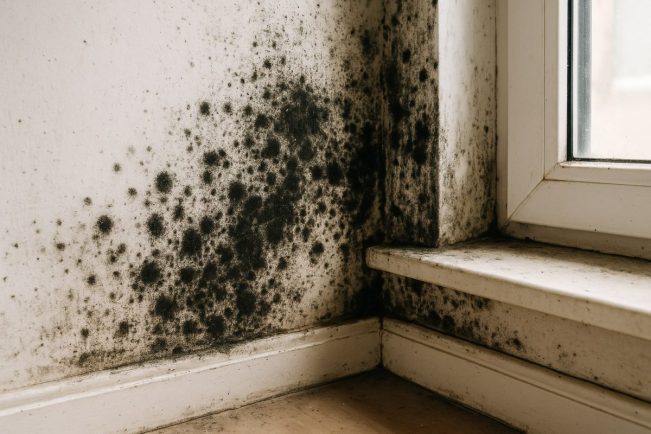
Finding mould in your home or business is often a distressing discovery. Your first instinct might be to reach for a bottle of bleach and a scrubbing brush to handle it yourself. While this seems like a cost-effective solution, surface-level cleaning rarely addresses the root cause of the infestation.
Mould is a resilient fungus that thrives in damp, poorly-ventilated environments. Because it spreads via microscopic spores, simply wiping away the visible patches doesn’t stop the growth from returning. Understanding the differences between a quick fix and a permanent solution is vital for protecting your property.
The Benefits of Professional Mould Remediation
When you hire experts, you aren’t just paying for cleaning, you’re investing in a comprehensive scientific process. Professionals use advanced technology to identify the source of the moisture, such as hidden leaks or rising damp. By fixing the cause, they ensure that the environment is no longer hospitable to fungal growth.
Expert mould remediation services ensure the job is done thoroughly. They use industrial-grade tools to ensure the job is done thoroughly:
- HEPA Vacuums: These trap microscopic spores that standard vacuum cleaners would simply blow back into the room.
- Dehumidifiers: These extract excess moisture from the air to dry out the affected area completely.
- Antimicrobial Treatments: Professional-grade chemicals kill mould at the source and provide a protective barrier against future growth.
The Risks of DIY Mould Removal
Attempting to remove mould without the correct equipment can actually make the situation worse. When you scrub at a mouldy surface, you often release thousands of spores into the air. Without professional containment, these spores will settle in other rooms, leading to cross-contamination and new outbreaks across your building.
Furthermore, household cleaning products like bleach are frequently ineffective on porous materials. While they might turn the mould white so it’s no longer visible, the roots of the fungus often remain deep within the plaster or wood. This means the mould will likely return within weeks, often more aggressively than before.
Health and safety is another major concern for those attempting DIY fixes. Exposure to high concentrations of spores can cause respiratory issues, skin irritation, and allergic reactions. Professional teams wear specialised Personal Protective Equipment (PPE) to ensure they aren’t inhaling dangerous particulates during the process.
Long-Term Cost Efficiency
It’s a common misconception that DIY is always cheaper. In reality, multiple failed attempts at cleaning can lead to significant structural damage over time. Mould can rot timber and degrade drywall, leading to expensive renovation bills that far outweigh the initial cost of professional intervention.
Professional mould remediation is a proactive investment in your property’s value. By tackling the issue head-on, they’ll prevent the need for replacing furniture, carpets, and structural elements later down the line. They can also provide a free virtual or in-person site survey to assess the full extent of the damage before any work begins.
Wrapping Up
Dealing with mould requires more than just a surface clean, it demands a strategic approach to moisture control and spore containment. While DIY methods might offer a temporary visual improvement, they don’t provide the deep-level sanitisation needed for a healthy environment. Investing in specialist help ensures your home remains safe, clean, and structurally sound for years to come.
Article written by Lydia White