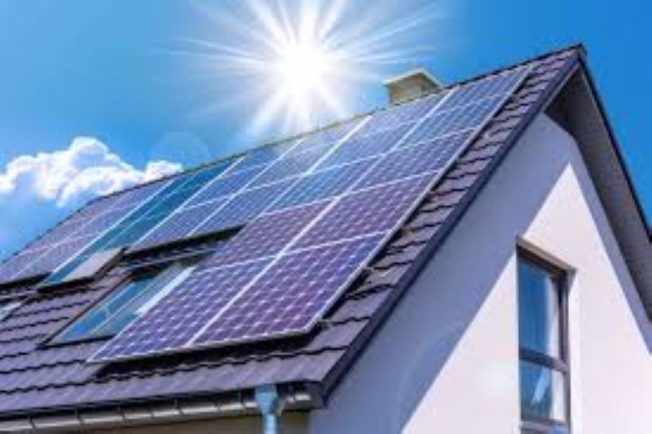
SOLAR panels have been sold as a sure-fire way to cut energy bills for years. And while the core idea holds up, the reality for homeowners in the West Midlands is a bit more nuanced than the headline figures suggest.
Upfront costs, roof orientation, household energy habits and local weather patterns all play a part in how quickly you’ll see a return. Find out what the numbers actually look like below.
What a Typical System Costs Around Here
A standard residential solar installation in the UK currently sits somewhere between £5,500 and £8,500 for a 3–4kW system, with prices having fallen noticeably over the past two years thanks to increased supply and advances in panel technology. Costs rise further if you add battery storage. That’s still a meaningful sum, and it’s the figure most households fixate on when they first look into it.
The upfront cost of solar panel installation covers the panels themselves, the inverter, mounting hardware and labour. Battery storage, which lets you bank unused power instead of exporting it to the grid at a low rate, typically adds another £3,000–£6,000 to the total for a standard 5kWh system.
Larger-capacity batteries suited to homes with higher evening energy use can cost more. For many homes in Solihull and the surrounding area, the solar-plus-battery combination ends up being the more cost-effective option over time, even if the starting price is higher.
How Long Before It Pays for Itself?
This is the question everyone wants a straight answer to, and the honest reply is: it varies. Payback periods for residential solar in the UK currently sit at roughly 9–11 years for homes in the Midlands, though households that use a lot of electricity during daylight hours tend to see returns closer to the lower end of that range.
The West Midlands isn’t the sunniest part of the country, but that doesn’t rule out solar. Panels generate electricity from daylight, not direct sunshine, so even overcast days produce some output. A south-facing roof at a 30–40 degree pitch will generate the most, but east or west-facing roofs can still perform well enough to make the numbers work.
What Affects Your Payback Period
Several factors will push your payback period shorter or longer:
Roof orientation and pitch – south-facing at around 35 degrees is the optimum.
Shading – trees, chimneys or nearby buildings can noticeably reduce the output.
Household energy use – the more electricity you use at home during the day, the more you offset.
Whether you have battery storage – storing surplus power instead of exporting it increases your self-consumption rate.
The electricity tariff you’re on – higher unit rates mean bigger savings per kWh generated.
The Smart Export Guarantee and What You’ll Actually Earn
Once your system is MCS-certified and you have a compatible smart meter installed, you can sign up to the Smart Export Guarantee (SEG), which pays you for any surplus electricity you export back to the grid.
Rates vary between energy suppliers and currently range from around 4p to 12p per kWh on standard fixed tariffs, though variable and time-of-use tariffs from suppliers such as Octopus Energy can reach higher rates during peak demand periods, particularly for households with battery storage.
It’s worth being realistic about SEG income. If you’re exporting a lot, it usually means you’re not using your solar generation at home, which is where the real savings come from. SEG payments can make a dent in the payback timeline, but they work best as a supplement to high self-consumption, not a substitute for it.
Average Savings West Midlands Homeowners Might Expect
A typical 4kW system on a reasonably oriented roof, used by a household with average electricity consumption, can save somewhere between £400 and £800 per year on energy bills. The exact figure depends heavily on how much of your solar generation you use directly at home rather than export, as well as the electricity tariff you are on.
At the current Ofgem unit rate of around 24.67p per kWh, every unit of solar electricity you use yourself instead of buying from the grid is a direct saving, which is why households that are at home during the day, or that shift appliance use to solar generation hours, tend to see returns towards the higher end of that range.
Add battery storage and that figure can climb higher still. With a well-sized battery, households that would otherwise be drawing expensive peak-rate electricity from the grid in the evening can push their total annual benefit to somewhere between £500 and £850, depending on usage patterns and the tariff they are on.
Over a 20–25 year panel lifespan, the cumulative savings can comfortably exceed the original installation cost. The panels themselves carry warranties of 25 years or more with most reputable brands, so the long-term picture tends to look better than the short-term payback period implies.
Main Points to Remember
Solar panels can and do save local households money, but the size of those savings depends on your setup, your habits and how long you plan to stay in your home. The payback period is longer than some marketing material suggests, but for homeowners who go in with realistic expectations, the financial case holds up well over time.
Article written by Lydia White