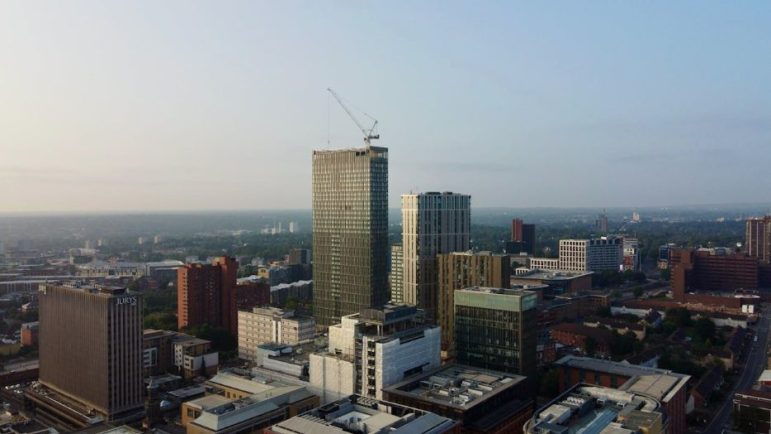
Not long ago, choosing an office meant finding enough desks for everyone and signing a long lease. Hybrid working has rewritten that logic entirely, and the West Midlands is feeling the effects in real time.
Businesses across the region are rethinking where they operate, how much space they actually need, and what that space should do for their teams. Office relocation decisions that once hinged on square footage now revolve around flexibility, collaboration zones, and employee experience. This shift is playing out in distinct ways across the West Midlands, reshaping everything from lease negotiations to location priorities.
Where West Midlands Businesses Are Moving
The patterns playing out across the region reflect more than downsizing. They reveal a geographic shift in where companies choose to base themselves.
A growing number of businesses are leaving central Birmingham for suburban locations like Solihull, where smaller, well-connected offices suit hybrid teams that only gather a few days each week. Solihull in particular has seen a wave of business growth in Solihull, supported by strong transport links and lower overheads.
Rather than maintaining a single large headquarters, many West Midlands firms are spreading across satellite offices and coworking spaces. This approach lets teams work closer to home while the company retains a professional footprint across the region. These decisions align with broader regional economic development trends favouring distributed growth.
Flexible leases have become standard alongside these moves. Shorter commitments, break clauses, and scalable space give hybrid occupiers room to adjust as their needs shift quarter by quarter.
Coordinating this kind of office relocation takes careful alignment between space planning, technology setup, and the physical move itself, especially for teams transitioning out of central Birmingham or setting up a smaller hub nearby. Many firms are working with a commercial moving company experienced in phased relocations, alongside IT partners and fit-out specialists, to keep the transition running smoothly.
Less Floor Space, More Strategic Space
When staff split their week between home and the office, the maths on floor space changes fast. Companies operating a hybrid work model where employees work remotely two or more days a week can reduce office space requirements by 10% to 50%, depending on how schedules are staggered.
Across the West Midlands, that reduction is prompting more than simple downsizing. Businesses are relocating to reconfigure, trading rows of fixed desks for collaboration spaces, breakout areas, and flexible work zones that serve teams on the days they actually show up.
What makes this wave of moves different is the data behind it. Space utilisation tracking now tells companies exactly which floors sit empty on Tuesdays and which meeting rooms are overbooked on Thursdays. That information is shaping both the timing and destination of office relocations, turning what used to be a gut-feel decision into a strategic one grounded in how hybrid working has changed daily occupancy patterns.
What the Hybrid-Ready Office Actually Looks Like
The strategic decisions covered above only work if the physical space delivers on the promise. For hybrid teams, that means the office itself has to function differently from the ground up.
Assigned desks are giving way to hot-desking and bookable workstations, allowing companies to serve more employees with fewer stations. Collaboration spaces and well-equipped meeting rooms now take priority over rows of individual desk banks, reflecting how in-office days tend to centre on teamwork rather than solo tasks.
Technology infrastructure holds it all together. Video conferencing setups, room booking systems, and reliable network capacity need to support a workforce that is never fully on-site at once. Without that backbone, even the best-designed flexible workspace falls flat.
Office design is also shifting toward employee wellbeing. Quiet zones for focused work, access to natural light, and informal breakout areas are becoming standard features rather than nice-to-haves. These elements help make the commute feel worthwhile on the days people do come in.
The Relocation Playbook Has Changed
Office relocation across the West Midlands is no longer a simple exercise in finding cheaper rent or more square footage. Hybrid working has turned every move into a strategic decision that spans space design, lease flexibility, and employee experience.
Businesses that treat the move as an opportunity to build hybrid readiness into their next workspace stand to gain a lasting advantage. As the West Midlands continues to attract investment and talent, those who adapt their office strategy now will be best positioned for what comes next.
Written by Denise Smith