
Global events, such as international sports competitions (e.g., Euro 2024 or the Olympics) or cultural festivals, are rare occasions that capture the world’s attention. Some cities compete to host these events because this is a unique way to bring new people in and benefit from an economic boost.
However, hosting always comes with challenges. It’s vital to understand the economic effect to ensure the benefits are worth the cost. Our article does exactly this. It will show you how these events impact the entire local economy and what changes bring a global event into a city. Let’s roll!
Cost and Reward
The truth is that hosting a global event is extremely expensive. Cities spend heavily on infrastructure, security, and logistics to support thousands of athletes, officials and visitors. In fact, even bidding for the entire event can be expensive.
For instance, Tokio spent $150 million on its bid for the 2016 Olympics and half that amount to secure the 2020 Games. Toronto decided not to bid for the 2024 Olympics because the $60 million cost wasn’t justifiable.
Building infrastructure such as stadiums, venues, and transportation systems usually costs billions of dollars. For example, the 2024 Paris Olympics had a budget of $9.1 billion.
However, supporters argue that these sorts of investments are worthwhile due to the potential benefits, such as increased tourism, international exposure, and support for local businesses. In reality, many events fail to deliver the promised economic rewards.
While the 1992 Barcelona Olympics is often referred to as a real success, its favourable result was due to unique factors that are hard for other cities to replicate. Most other host cities have seen minimal or even negative economic results, with successful cases being the exception rather than the norm.
The Benefits of Hosting Global Events
 Hosting these events attracts visitors from all over the world, along with many locals. It’s only obvious that all these visitors will spend money on hotels, restaurants, and entertainment, offering a real increase to the local economy. For instance, the 2018 FIFA World Cup in Russia brought over 3 million fans and generated around $14 billion in economic benefits.
So, even after the end of the event, cities will often see lasting benefits from increased visibility and a better reputation as a tourist destination.
More Job Opportunities
While the obvious advantage was increased tourism, there are other benefits worth mentioning. Global events often create numerous job opportunities. During the construction phase, many workers are needed to build and improve facilities.
Also, when the event unfolds, thousands of temporary job openings will occur in areas such as hospitality, security, and event management.
Let’s think about the 2012 London Olympics as an example. That event created around 70,000 jobs in the lead-up to the event and another 100,000 during the event itself. Even if these jobs are temporary, they really provide an important income and also build experiences for local workers or students.
Improved Infrastructure
Usually, a big event includes massive upgrades of transportation systems, stadiums, and public spaces. While all these investments can be expensive, they usually benefit the local population long after the event is over.
In 1992, when the Olympics took place in Barcelona, the entire city was transformed, making it a top-tier destination. Today, Barcelona is one of the most visited cities in Spain.
Improvements such as transportation networks like new airports and metro systems really make an impact on tourism.
Boost of Local Businesses
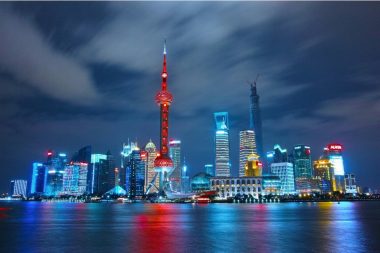 Of course, local businesses will benefit a lot from major events. When this happens, there is also an increased demand for food, souvenirs, and services. This way, small and medium companies can really have a chance to grow and reach new audiences.
During the 2010 Shanghai World Expo, local vendors saw a 24% increase in sales, showing an immediate positive impact on commerce.
Online businesses are also in demand. When events like this take place, visitors usually look for ways to relax and enjoy their free time. While some prefer accessing SlotsCalandar to blow off some steam with demo slots, others prefer online shopping from places they can’t find at home. For local businesses or not, the truth is that during major events, visitors no longer think about a budget and tend to spend more on their endeavours.
Challenges of Hosting Global Events
Of course, these benefits always come with considerable challenges that can also have lasting consequences. Think of anything related to financial risks, social and environmental disruptions, and more. Let’s explore some of the major challenges faced by host cities.
Budget Overruns and Financial Risks
While hosting global events can bring in a lot of funds, the financial risks are still high. Cities can end up spending more than they planned because of unexpected construction and logistics costs. In 2004, when the Olympics took place in Athens, the entire event ended up costing $15 billion, which is far more than originally estimated. This event contributed to Greece’s final troubles.
Social and Environmental Impacts
When big events like these take place, they can disrupt local communities. Most often, they cause problems such as rising living costs and forcing people out of their homes. One example is the 2016 Olympics in Rio de Janeiro. At that time, thousands of low-income residents were evicted, a fact that has led to criticism.
At sale time, these events can also impact the environment by creating a lot of waste and pollution. What can reduce the negative aspects is the use of sustainable methods such as eco-friendly building materials and better waste management.
Conclusion
It’s clear as daylight that hosting global events can bring cities both benefits and challenges. While they can be a real chance to increase tourism in the area and create new job opportunities, financial risks and social problems are real concerns.
Major events can change over time, and careful planning and sustainable practices are key to leaving a positive and lasting impact.
Article written by Clara Micle-Smart