THERE WERE smiles all round when NHS Blood and Transplant marked its 30th anniversary of Silhillians signing up to the NHS Organ Donor Register.
Since the creation of the NHS Organ Donor Register in 1994, more than 100,000 people in the UK had their lives saved by an organ transplant, including more than 43,935 people in Solihull.
The figured have been released as part of Organ Donation Week, which runs from September 23 to 29.
Although organ donation has been saving lives in the UK since the 1950’s, the NHS Organ Donor Register was created 30 years ago to promote the wider message of organ donation and allow people to record their decision to be a donor.
According to NHS Blood and Transplant 638 patients from the Midlands received a lifesaving transplant from a deceased donor last year and 195 residents donated their organs after death.
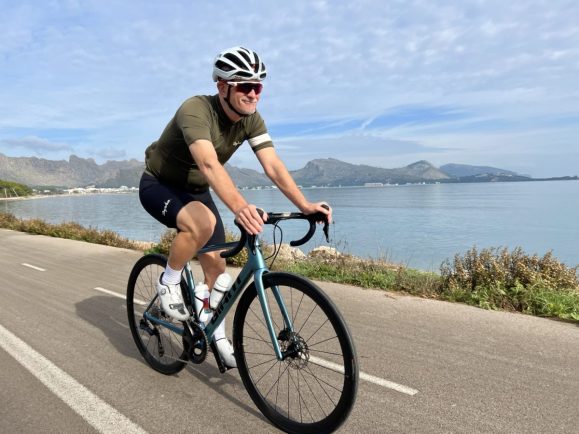
One person who knows what a lasting impacting organ donation and transplant can have is Rich Smith.
His life was saved by a liver transplant when he suddenly fell ill at the age of 25 over Christmas 1992.
By February 1993 he was in acute liver failure, for unknown reasons, and ended up in a coma, being given just days to live.
Two days later he received a liver transplant.
Since then he has been able to go back to work, travel the world and he is currently studying for a Masters degree.
Only around one per cent of people who die in the UK every year are usually able to donate their organs after death.
Donors are typically those who have died in a hospital intensive care unit or emergency department due to brain injuries, cardiac arrest or other trauma.
Anthony Clarkson, director of Organ and Tissue Donation and Transplantation, at NHS Blood and Transplant, said: “Every day across the UK there are thousands of patients and their families, waiting for that all important life-saving call. Yet, this is often only possible as a result of another family receiving some of the hardest news they might ever have to hear.
“The change in the law now means that it’s assumed that when someone dies in circumstances where they could be a donor, that they agree to donate if they haven’t officially opted out. However, no-one is automatically added to the Organ Donor Register. You still need to confirm your own decision and your family will still be consulted before donation goes ahead and will be expected to support your decision.
“With 1,399 patients in the Midlands waiting for organ transplants, it’s more important than ever to register your organ donation decision and make it known to your family.”
NHS Blood and Transplant say it is vital that everyone who wants to be a donor registers their decision on the NHS Organ Donor Register and talks it through with their families who will be expected to support their decision should the time come.
It added that families are far more likely to support donation when they already know it was what their relative wanted. Almost 90% of people honoured their family members decision last year when they had either proactively registered their decision to donate on the NHS Organ Donor Register or verbally expressed a decision to be a donor.
This year, the UK will once again ‘Go Pink’ for Organ Donation Week. Councils, businesses, charities and famous landmarks up and down the country are turning their lights pink for the week to show their support for the thousands waiting for a transplant.
For more information, or to register an organ donation decision, click here or call 0300 123 23 23.
NHS app users in England can also use the service to record, check or update their organ donation decision.