Japanese Knotweed can wreak havoc on your property, but tackling this invasive plant is possible with the right approach.
This fast-growing weed can damage buildings, reduce property values, and cause disputes with neighbours if left unchecked.
To deal with Japanese Knotweed, you need to identify it correctly, contain its spread, and use appropriate removal methods. Professional help is often necessary for complete eradication, as improper handling can make the problem worse.
Chemical treatments, such as glyphosate-based herbicides, can be effective when applied correctly over multiple growing seasons. Digging out the roots is another option, but it requires careful disposal of all plant material to prevent regrowth. Ongoing monitoring is crucial to catch any resurgence early.
Understanding Japanese Knotweed
Japanese Knotweed is an invasive plant species that can cause significant problems for property owners. It grows rapidly and can damage buildings and land.
Identifying the Invasive Species
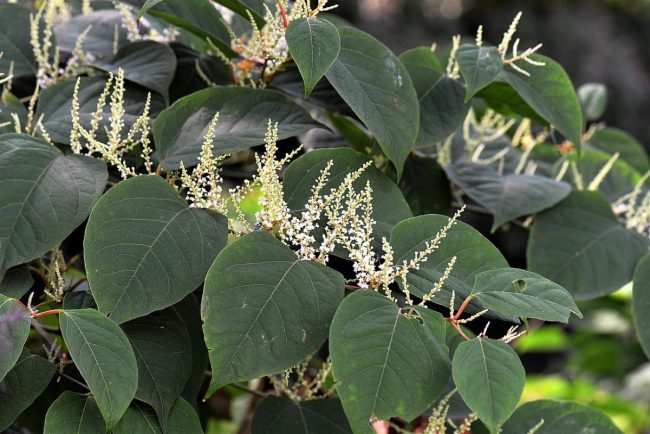
Japanese Knotweed has distinct characteristics that make it easy to spot. Its stems are hollow and bamboo-like, with a distinctive purple speckle. The leaves are heart-shaped and arranged in a zigzag pattern along the stem.
In spring, small shoots emerge from the ground, resembling red asparagus. By summer, the plant can grow up to 3 metres tall, with clusters of cream-coloured flowers.
During winter, the plant dies back, leaving brown canes. However, its extensive root system remains active underground.
The Legal Implications of Having Japanese Knotweed
In the UK, having Japanese Knotweed on your property can lead to legal issues. You’re not required to remove it, but you must prevent it from spreading to neighbouring land.
If you allow it to spread, you could face legal action from affected neighbours. Penalties can be severe, including fines and potential imprisonment.
When selling a property, you must disclose the presence of Japanese Knotweed. Failure to do so could result in a lawsuit from the buyer.
Some mortgage lenders may refuse loans for properties affected by Japanese Knotweed, making it difficult to sell or remortgage.
Potential Damage to Property
Japanese Knotweed can cause extensive damage to buildings and infrastructure. Its roots can grow up to 3 metres deep and 7 metres horizontally.
The plant can exploit weaknesses in concrete, tarmac, and brick. It may grow through cracks in foundations, walls, and patios, causing structural damage.
Japanese Knotweed can also damage drainage systems and underground pipes. In some cases, it has been known to affect the stability of retaining walls.
The cost of removing Japanese Knotweed and repairing the damage it causes can be substantial. In severe cases, it may even affect the value of your property.
Preventative Measures and Early Intervention
Taking proactive steps and acting quickly can help prevent Japanese Knotweed from establishing on your property or stop its spread in the early stages.
Landscaping Tips to Prevent Japanese Knotweed
Create barriers to deter knotweed growth. Install root barriers made of thick plastic or metal sheets, burying them at least 2 metres deep around your property’s perimeter. This can block underground rhizomes from spreading.
Maintain a well-kept garden. Regularly mow your lawn and remove any weeds promptly. Dense, healthy grass can compete with knotweed seedlings for resources, making it harder for them to establish.
Be cautious with soil and plant materials. When bringing in new soil or plants, ensure they come from reputable sources free of knotweed contamination. Inspect any new additions carefully before introducing them to your garden.
Early Identification and Immediate Actions
Learn to recognise Japanese Knotweed. Familiarise yourself with its appearance throughout the seasons. Look for heart-shaped leaves, bamboo-like stems, and small white flowers in late summer.
Act swiftly upon discovery. If you spot knotweed, isolate the area immediately. Mark it clearly and avoid disturbing the soil to prevent accidental spread.
Seek professional help promptly. Contact a certified knotweed specialist for an assessment. They can provide expert advice on the most effective treatment plan for your specific situation.
Document the infestation. Take photos and notes about the location and extent of the knotweed. This information can be valuable for treatment planning and potential legal matters.
Eradication Strategies
Eliminating Japanese Knotweed requires a combination of chemical, physical, and professional methods. Each approach has distinct advantages and challenges in managing this invasive plant. Companies such as Japanese Knotweed Specialists can help with the removal of Japanese Knotweed in Birmingham.
Chemical Control Methods
Glyphosate-based herbicides are the most effective chemical treatments for Japanese Knotweed. Apply the herbicide directly to the leaves and stems during the growing season, typically from late spring to early autumn. Multiple applications over several years are often necessary for complete eradication.
Foliar spraying is suitable for larger infestations, while stem injection can target individual plants more precisely. Always follow the manufacturer’s instructions and wear protective gear when handling herbicides.
Be aware that chemical treatments may impact surrounding vegetation. Consider using a targeted application method to minimise damage to desirable plants.
Physical Removal Techniques
Digging out Japanese Knotweed can be effective for small infestations. Excavate the entire root system, including rhizomes, to a depth of at least 3 metres and 7 metres horizontally from the visible plants. Dispose of the plant material at a licensed landfill site.
Covering the affected area with heavy-duty, light-blocking material can starve the plant of sunlight. Maintain this barrier for at least five years to ensure complete eradication.
Regular cutting or mowing can weaken the plant over time but won’t eliminate it entirely. Combine this method with chemical treatments for better results.
Professional Remediation Services
For severe infestations or when legal compliance is crucial, professional knotweed removal services are recommended. These specialists use advanced techniques like herbicide treatments, excavation, and on-site burial.
Professional services often provide guarantees and insurance-backed warranties, which can be valuable when selling or developing property. They also ensure proper disposal of contaminated soil and plant material, adhering to UK regulations.
Costs vary depending on the infestation size and chosen method. Obtain quotes from multiple reputable companies before making a decision.
Post-Removal Management and Monitoring
After Japanese knotweed removal, ongoing management and monitoring are crucial for long-term success. Proper follow-up prevents regrowth and addresses ecological concerns.
Ensuring Long-Term Success
Regular inspections are vital after knotweed removal. Check the treated area every month during growing seasons for at least two years. Look for new shoots or regrowth, which often appear as red or purple spears.
If you spot any regrowth, act quickly. Remove small shoots by hand, digging out as much of the root as possible. For larger areas, consider spot treatment with herbicides.
Keep the area under observation clear of other vegetation. This makes it easier to spot any knotweed regrowth. Mulching can help suppress both knotweed and other plants.
Document your observations and actions. Photos and notes will help track progress and identify any recurring problem areas.
Ecological Considerations After Removal
Removing Japanese knotweed can leave bare soil prone to erosion. Replant the area with native species to stabilise the ground and promote biodiversity.
Choose plants that can compete with any remaining knotweed. Grass seed mixtures or fast-growing shrubs are good options. Avoid plants with similar growth habits to knotweed, which might mask its regrowth.
Be mindful of local wildlife that may have used the knotweed as habitat. Create alternative shelters or food sources if needed.
Monitor nearby water sources for any herbicide runoff. Use environmentally friendly methods where possible to minimise impact on local ecosystems.