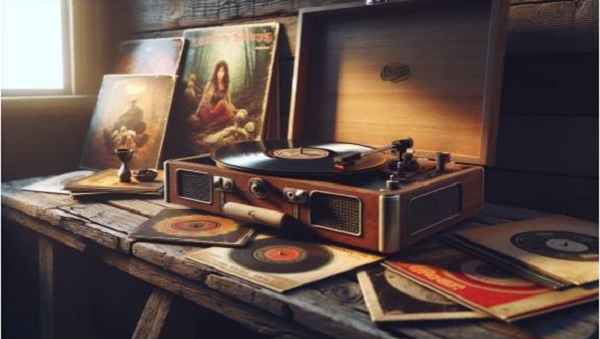
In an age where digital music streaming dominates, an unexpected resurgence has taken place. Vinyl records, once considered relics of the past, are making a significant comeback. This revival isn’t merely a fleeting trend; it reflects a deeper cultural shift among music enthusiasts who yearn for a more tangible connection to their music.
Vinyl’s renewed popularity can be attributed to several factors. For one, the tactile experience of handling a record—its weight, the texture of the grooves, the act of placing the needle—is something digital formats simply can’t replicate. There’s a ritualistic aspect to playing vinyl that many find appealing. Additionally, the sound quality of vinyl records is often described as warmer and richer compared to digital formats. This analog sound, with its slight imperfections and nuances, offers a listening experience that many audiophiles find superior.
Nostalgia also plays a significant role. For older generations, vinyl records evoke memories of a bygone era, while younger listeners are drawn to the retro aesthetic and the sense of authenticity that vinyl represents. The resurgence of vinyl is not just about the music; it’s about the entire experience, from the album art to the physical act of playing a record. Many enthusiasts are now transforming these iconic covers into canvas prints, turning them into decorative pieces for their homes.
Is it possible that, in our fast-paced digital age, people are seeking a return to something more tangible and real?
The art of album covers: from vinyl to canvas prints
One of the most captivating aspects of vinyl records is their album covers. These covers are not just packaging; they are works of art that convey the essence of the music within. From the iconic imagery of The Beatles’ “Sgt. Pepper’s Lonely Hearts Club Band” to the minimalist design of Pink Floyd’s “The Dark Side of the Moon,” album covers have the power to evoke emotions and tell stories.
As vinyl records have regained popularity, so too has an appreciation for album cover art. Many enthusiasts are now transforming these iconic covers into canvas prints, turning them into decorative pieces for their homes. This trend highlights the aesthetic and emotional appeal of album covers, which go beyond their original function to become symbols of cultural significance.
The process of creating canvas prints from album covers involves high-quality printing techniques that preserve the intricate details and vibrant colors of the original artwork. These prints can be displayed in living rooms, bedrooms, or even offices, adding a touch of nostalgia and personality to any space. For many, these prints serve as a way to celebrate their favorite music and artists, as well as to express their own identity and tastes.
Why vinyl? The unique listening experience
Vinyl records offer a unique listening experience that sets them apart from digital formats. One of the key aspects is the sound quality. Vinyl records produce an analog sound that many listeners describe as warmer and more natural. This is due to the way vinyl captures the full spectrum of sound waves, including the subtle imperfections that give music its character.
Another factor is the ritual of playing a record. Unlike digital music, which can be played with the click of a button, vinyl requires a more involved process. Listeners must carefully handle the record, place it on the turntable, and gently lower the needle. This ritualistic aspect adds a level of engagement and mindfulness to the listening experience.
The physicality of vinyl also plays a significant role. Holding a record, examining the album cover, and reading the liner notes create a deeper connection to the music and the artist. This tactile experience is something that digital formats simply cannot replicate.