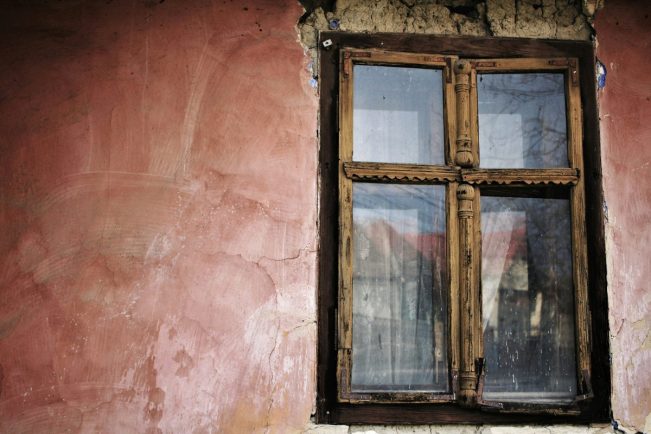
Housing in the UK has been a recurring issue over the years – Google it, and you’ll see there isn’t much good news relating to it. The worries range from affordability to availability. Not that the quality of the building has anything to do with affordability, but houses are becoming more expensive, and the quality seems to be dropping.
Read on to learn if and how the UK’s houses are falling apart.
Ageing Housing Stock
The ageing of British houses is one of the most significant challenges – and let’s not talk about the quality of newly built homes. There’s nothing on the quality of older houses; it’s simply that the old houses are becoming too old.
There were quite a few properties built before the 1900s and during the mid-1900s after the war.
Many have not seen any major refurbishment or maintenance for several decades. Plumbing, wiring, and insulation are all outdated elements that can distress Victorian and Edwardian homes, even though they are so full of character. As a result, this makes such homes less comfortable and safe, increasing energy bills and environmental impact. It’s not that people can’t renovate – you can buy affordable materials from outlets such as Mcblair building merchants; it’s simply that they aren’t renovating until it’s too late.
Still, post-war buildings, especially those rapidly constructed to solve the problem of housing shortages, are ageing more than the structure can cope with.
Facts on Maintenance
Structural issues are not limited to older houses – new constructions have equally had their share because they were poorly built or used poor quality construction materials.
A survey by the Building Research Establishment (BRE) revealed that there are still so many newly built houses suffering from defects like dampness, insufficient insulation, ventilation issues, etc., which, if left unattended, may cause long-term impairment.
Another missing piece of the puzzle is maintenance. Many homeowners, landlords, and local authorities find themselves constrained by their financial inability to undertake necessary repairs or conduct maintenance work on these houses, resulting in neglect that creates more serious problems, resulting in costly repairs later on. Renters face an even more uncertain future as they don’t have the means to enforce essential maintenance on their landlords.
Government and Community Initiatives
Efforts by the government and community intervention are required to address this declining state of the UK housing stock. But let’s be honest – the government isn’t doing all they should be doing.
For homeowners and landlords to undertake necessary repairs and energy efficiency improvements, the government provided various grants and funding schemes. For instance, the Green Homes Grant aimed at increasing insulation, heating systems, etc. Still, that recently closed and isn’t accepting applications, and the issue is that not everyone had access to it, so it wasn’t truly tackling the problem.
Local authorities and community organisations equally have an essential. Most councils advise on house repairs that require financial help for those affected. There are also growing community-led housing projects that aim at renovating existing structures or converting derelict buildings into affordable modern homes. Still, again, these aren’t as common as they should be.
Sustainable building practices and materials have gained momentum. You can see it with new legislation and building codes that call for increased energy efficiency and lower carbon emissions to make new developments or renovations environmentally friendly and long-lasting.
The UK’s housing stock is indeed problematic – that’s a nice way of putting it. To be blunt, they are falling apart and so are the new ones. But this doesn’t mean there isn’t any hope. Through governmental initiatives, community participation, and eco-friendly methods, it can be possible to restore the country’s houses to safety.