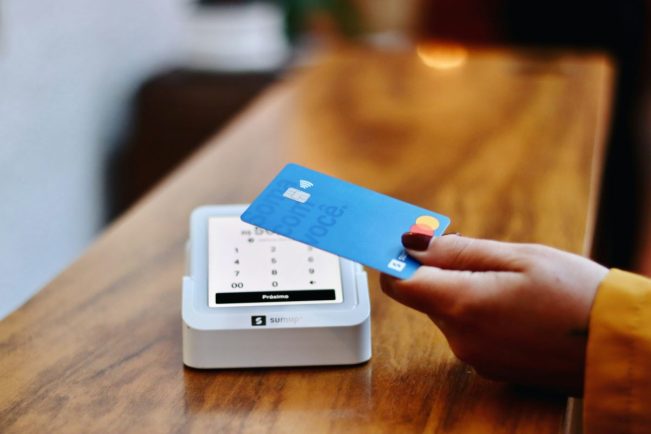
Digital payments have changed the way we live. Paying bills, shopping online and sending money to a friend now takes seconds instead of minutes. That convenience comes with responsibility. Knowing how digital wallets and secure payment systems actually work is one of the best ways to protect your money, your personal information and your online accounts from fraud.
Whether you are buying groceries, paying for a streaming subscription or spending on entertainment platforms, a few smart habits go a long way toward keeping your finances firmly in your own hands.
What Is a Digital Wallet?
A digital wallet is a secure app that stores your payment details so you don’t have to type in card numbers every time you buy something. Think of it as an encrypted middleman between your bank and the retailer, one that shares far less sensitive information than a traditional card payment would.
Most digital wallets can hold debit cards, credit cards, bank accounts, loyalty cards, gift cards and digital passes all in one place, and many also let you send money instantly to family and friends.
Why Digital Wallets Improve Payment Security
Digital wallets add several layers of protection that a plain card swipe cannot match. Rather than sending your actual card number, a wallet generates a unique payment token for each transaction, so intercepted data is useless for future purchases. Most wallets also rely on fingerprint recognition, facial recognition or a device PIN before a payment goes through, meaning just having someone’s phone in hand isn’t enough to authorise a purchase. Payment details stay encrypted both while stored and while being sent, and because you’re typing your card number into fewer places overall, there are simply fewer chances for that information to be stolen.
Common Online Payment Threats
Cybercriminals are always finding new ways to target online shoppers, and recognising the warning signs early can save you a lot of trouble. Phishing emails and fake websites are among the most common tricks, designed to look like messages from a bank or a well-known retailer. Watch for poor spelling, unexpected requests to “verify” your account, odd-looking email addresses, urgent demands for payment or web addresses that are almost, but not quite, right. The safest approach is to type a company’s website address in yourself rather than clicking a link you weren’t expecting.
Public Wi-Fi is another weak point. Networks in cafés, airports and hotels rarely offer the kind of protection your financial transactions need, so it is best to avoid logging into banking apps or making purchases until you’re back on a private, trusted connection.
Data breaches at large companies are a fact of life too. The real danger comes from reusing passwords, since one leaked account can open the door to several others. Giving every financial account its own unique password remains one of the simplest, most effective defences you have.
Everyday Habits That Keep Your Money Safe
Good security depends as much on your habits as it does on the technology itself. Turning on multi-factor authentication adds a second checkpoint beyond your password, whether that’s an authentication app, a security key, a fingerprint scan or a one-time code sent to your phone. Even if someone gets hold of your password, they still can’t get into your account without that second factor.
Keeping your devices updated matters more than people tend to realise, since updates often patch security holes that have only just been discovered. That goes for your phone, tablet, computer, browser, banking app and digital wallet alike, and turning on automatic updates means you’re covered without having to think about it.
It’s also worth glancing over your bank statements regularly, watching for unfamiliar transactions, small “test” charges, duplicate payments or subscriptions you don’t remember signing up for. The sooner you spot something odd and report it, the less damage it can do. Strong passwords still matter too, mixing upper and lowercase letters, numbers and special characters. A password manager takes the hassle out of creating and remembering a unique one for every account.
Choosing Trusted Payment Methods
Security starts well before you click “pay.” Reliable payment providers offer buyer protection, encrypted transactions, fraud monitoring, solid authentication and quick dispute resolution when something goes wrong. Before handing over your payment details anywhere, take a moment to check that the checkout page shows the security signs you’d expect and that you’re actually on the business’s real site.
Secure Payments on Entertainment Platforms
Entertainment services, subscription sites and gaming platforms handle enormous volumes of digital payments every single day. Sticking with operators that use established payment providers and clear security policies protects both your personal details and your money. Many players also lean toward platforms that support familiar digital wallets, since those transactions run through recognised systems with extra layers of authentication built in. When researching UK PayPal casinos, for example, security should be the first thing you look at, right alongside licensing, responsible gambling tools and transparent payment policies. A trustworthy platform pairs secure payment processing with proper customer verification and withdrawal procedures that are easy to understand.
How to Recognise a Secure Website
Before you pay for anything online, it pays to run a quick check. Look for “https” at the start of the web address, a padlock icon in the browser bar, clear contact details, a transparent privacy policy and a checkout page that uses a recognised payment provider. These small signals tell you a business takes online security seriously.
Final Thoughts
Online payments are now a normal part of everyday life, and digital wallets have genuinely raised the bar for financial security. Encryption, tokenisation and biometric checks work together to protect every transaction you make. But technology can only do so much. Choosing trusted payment providers, staying alert to scams and sticking to a few simple habits are what complete the picture and keep your money safe every time you pay online.
Article written by Marko Jovanović a veteran online gambling writer with 10+ years in the industry, also a former Senior News Editor on Ultimate Guitar. Obsessed with the ins and outs of slots mechanics, well-versed in UK’s gambling laws. My work was featured on Bloomberg, Washington Post, KiwiBets, SweepsKings, and more.