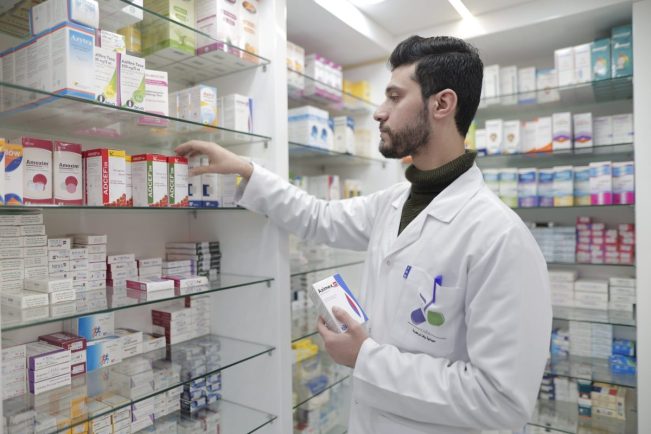
Pharmacies in England will be able to prescribe medicines for more conditions under plans aimed at easing pressure on GP surgeries and hospitals and speeding up access to treatment.
The expansion forms part of the government’s Pharmacy First programme, which already allows pharmacists to provide prescription medicines for seven common conditions, including sore throats, ear infections, sinusitis, shingles, impetigo, infected insect bites and uncomplicated urinary tract infections in women.
Under a new £340 million investment package, ministers said five additional conditions will be added to the scheme from autumn 2026, although details of the illnesses covered have not yet been confirmed.
The move comes as newly qualified pharmacists with independent prescribing qualifications begin entering the workforce from later this year. From 2026, all newly trained pharmacists are expected to qualify as independent prescribers as part of their education, allowing them to diagnose and prescribe medicines without needing approval from a GP.
The Department of Health and Social Care said more than 3.3 million consultations were carried out through Pharmacy First between March 2025 and February 2026, highlighting growing use of pharmacies for frontline healthcare services.
Health minister Stephen Kinnock said the government wanted to make greater use of pharmacists’ skills as part of wider NHS reforms designed to move more care into local communities.
He said independent prescribing would help reduce pressure on GP practices, cut bureaucracy and improve access to treatment closer to home. The government has repeatedly described community pharmacies as central to plans to shift more NHS care away from hospitals and into neighbourhood settings.
The Pharmacy First scheme was launched in England in early 2024, allowing patients to visit pharmacies directly for advice, over-the-counter treatments and prescription medicines for a range of minor illnesses. Pharmacies also provide support for conditions affecting the eyes, ears, mouth and digestive system, as well as blood pressure checks and contraception services.
Despite welcoming the expansion, pharmacy leaders warned that financial pressures on the sector remain severe.
The National Pharmacy Association said the agreement “points in the right direction” but does not adequately address rising business rates, higher staffing costs and increased medicine prices.
NPA chairman Dr Olivier Picard said the deal did little to close what the organisation describes as a £2.5 billion funding gap in community pharmacy. He warned that many pharmacies could struggle to deliver additional services without greater financial support.
He said the plans were “nowhere near ambitious enough” to fully improve patient access or make best use of pharmacists’ expertise, adding that many pharmacies were already carrying out unfunded work and could not continue to absorb further costs.
Dr Leyla Hannbeck, chief executive of the Independent Pharmacies Association, which represents around 5,000 pharmacies across England and Wales, also expressed concern over the level of funding attached to the reforms.
She said the changes were “a step in the right direction” but argued that the money available would not cover the additional workload expected of pharmacists. Speaking on BBC Radio 4’s Today programme, she warned that many pharmacies were questioning whether they could remain financially viable.
Community pharmacies across the UK already play a growing role in treating minor illnesses to reduce demand on GP surgeries and emergency departments.
In England, pharmacies can currently prescribe medicines for sore throats in patients aged five and over, earache in children and teenagers, sinusitis from age 12, impetigo and infected insect bites from age one, shingles in adults and uncomplicated UTIs in women aged 16 to 64.
Scotland operates a similar Pharmacy First service, which was used as a model for England’s scheme. Wales and Northern Ireland also allow pharmacists to prescribe medicines for selected conditions, although the illnesses covered vary between nations.
Patients who are unwell are encouraged to seek advice from pharmacists, who can recommend treatment or refer them to NHS 111, a GP or emergency services where necessary.