MOST people in the West Midlands are unaware of a vital helpline they can use during a power cut.
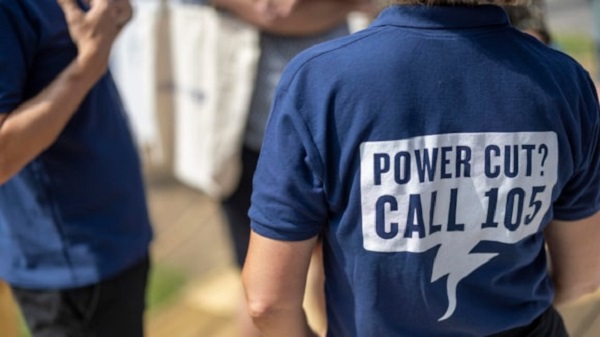
New research from National Grid Electricity Distribution (NGED) shows that 84 per cent of people in the West Midlands don’t know about the first port of call in a power cut – the 105 helpline.
The 105 number connects callers directly to their local electricity network operator in the event of a power cut, free of charge.
Power cuts can happen at any time – whether due to severe weather, unexpected incidents, or technical faults.
For many, the first moments of a power cut can be confusing for people, especially if it’s unclear whether the issue is affecting their home, their street, or the wider area.
The 105 helpline is designed to provide people with fast, direct access to the right support, regardless of who supplies their electricity.
Simon Roper, who works in NGED’s Contact Centre, said: “If your power goes out, the one number you’ll need is 105.
“We have contact centre staff working 24/7 ready to take your call, and engineers ready to respond and get you reconnected.
“We want everyone to be ready, and a little preparation can make a big difference, especially for those who might need extra help.”
National Grid’s support hub here provides practical advice on what to do in a power cut, including:
- Taking action ahead of time: save the 105 number now
- How to check if the issue is in your home or the wider area
- Steps to keep food safe if your fridge or freezer loses power
- Tips for staying warm and comfortable until power is restored
- Guidance on checking in with neighbours, especially those who may need extra help
As well as saving the number 105, people can sign up to a free Priority Services Register (PSR) for those who may need extra support during a power cut – such as older people, those with medical needs, families with young children, or anyone who might be particularly vulnerable.
For more about the PSR click here.