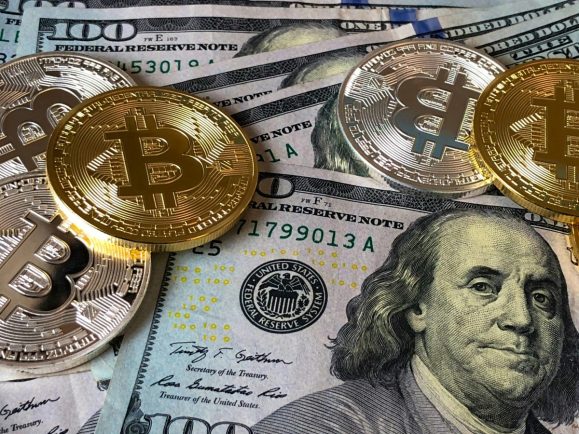
Something interesting is happening across Britain right now. Once dismissed as internet funny money or a tool for tech geeks, Bitcoin is finding its way into the investment portfolios of regular people. Not day traders or financial wizards, but teachers, nurses, small business owners, and your average working professional.
Walk into any pub in Solihull or Birmingham, and there’s a decent chance you’ll overhear someone mentioning crypto. It’s not the fringe topic it used to be. Let’s take a deeper look at why more UK residents are deciding to take the plunge into Bitcoin.
-
Economic Pressure and Inflation Concerns
The primary driver behind increased Bitcoin adoption is straightforward: purchasing power erosion. British households are experiencing sustained pressure from rising costs across nearly every category. Groceries, energy, fuel, housing, you name it. These aren’t marginal increases; they represent significant changes to household budgets.
Traditional savings accounts, meanwhile, offer interest rates that typically fail to match inflation. This creates a problematic situation where money sitting in “safe” accounts actually loses value over time in real terms. For someone with £10,000 in savings earning 2% interest while inflation runs at 4%, they’re effectively losing £200 in purchasing power annually.
Bitcoin presents a fundamentally different proposition. Its supply is mathematically capped at 21 million coins; no government or central authority can create more. This fixed supply stands in stark contrast to fiat currencies, which can be expanded through monetary policy decisions. For investors concerned about long-term currency devaluation, this scarcity characteristic holds genuine appeal. The proposition isn’t without risk, but it offers an alternative approach to wealth preservation that operates outside traditional monetary systems.
-
Improved Accessibility for UK Investors
The practical barriers to Bitcoin ownership have diminished substantially. Modern cryptocurrency exchanges offer interfaces comparable to traditional banking apps. The process typically involves identity verification, linking a payment method, and executing purchases, similar to buying stocks through an online broker.
Importantly, fractional purchases have eliminated the misconception that investing in Bitcoin requires substantial capital. Investors can purchase any amount they choose, making it accessible for those allocating modest sums. For those interested in starting this process, resources such as guides to learn how to buy Bitcoin in the UK from Kraken provide comprehensive information tailored to British investors.
-
Portfolio Diversification Strategies
A critical distinction in current Bitcoin adoption patterns is that most investors aren’t abandoning traditional investment vehicles. Instead, they’re incorporating Bitcoin as a diversified portfolio component that continues to include Individual Savings Accounts (ISAs), pensions, stocks, bonds, and property.
Standard investment theory emphasizes diversification across asset classes to mitigate risk. Bitcoin introduces an asset with low correlation to traditional markets. Its price movements don’t reliably track stock indices, bond yields, or property values. This independence can theoretically reduce overall portfolio volatility when combined with traditional assets.
Financial advisors who acknowledge cryptocurrency typically suggest modest allocations, commonly ranging from 5% to 10% of an investment portfolio. This approach provides exposure to Bitcoin’s potential upside while limiting the impact of its considerable volatility on overall wealth. The strategy reflects measured adoption rather than speculative enthusiasm; a calculated addition to existing financial planning rather than a wholesale shift in investment philosophy.
Endnote
At the end of the day, more people across the UK aren’t turning to Bitcoin because it’s trendy. They’re doing it because they want more control over their money. After years of watching savings lose value and markets stay unpredictable, the idea of owning something outside the traditional system feels empowering. Bitcoin still carries its risks, but so does standing still in a changing economy. For many, it’s about taking small, informed steps toward a more balanced financial future.
Author BIO:
Catherine Park is a seasoned digital marketer with several years of experience working with non-profit organizations. She possesses extensive expertise in Education, Computer Science, and Psychology. Outside of her professional life, Catherine enjoys practicing Muay Thai and running marathons.