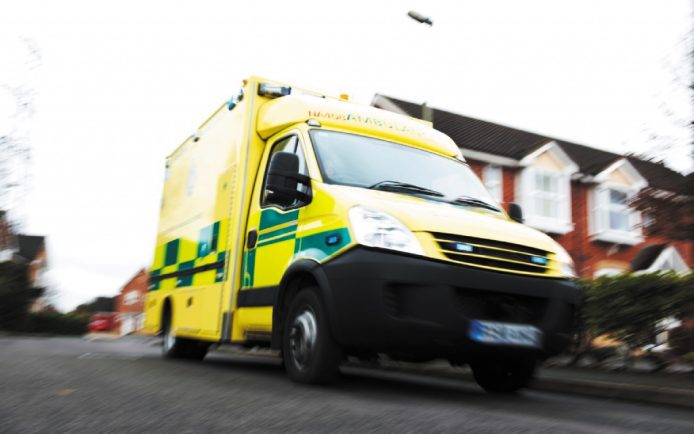
WEST Midlands Ambulance Service (WMAS) has been awarded almost £150,000 in grant funding to help improve survival rates for life-threatening emergencies such as out-of-hospital cardiac arrests.
WMAS, who received £141,970 in funds, is one of ten NHS ambulance charities in the UK to receive funding from NHS Charities Together through its £1.85m Community Resilience Grants Fund in partnership with Omaze.
Working with 14 NHS ambulance charities up and down the country, the fund has been designed to help more people gain the knowledge, skills and confidence to respond in an emergency.
Cliff Medlicott, WMAS Regional Community Response Manager, said: “We are incredibly grateful to NHS Charities Together for their support and funding.
“Their support is helping us bring vital training to communities that need it the most.”
Currently, fewer than one in 10 (10 per cent) people who suffer a cardiac arrest outside of hospital will return home to their families. However, rapid action through early identification, CPR and defibrillation can increase chances of survival to more than five in 10 (50 per cent).
The money awarded by NHS Charities Together will allow WMAS to deliver a two-year project to provide basic life support and automated external defibrillator (AED) training to members of the public in areas of the West Midlands with poorer rates or survival from an out of hospital cardiac arrest.
In the first phase of this project, the service will work closely with places of worship in areas where access to health and welfare services is limited.
Head of grants at NHS Charities Together, Jon Goodwin, said: “We are delighted to award this grant to West Midlands Ambulance Service.
“The project has the potential to make a huge difference to people living in the West Midlands by helping them recognise the early signs of a life-threatening emergency and how to respond.
“In addition to helping improve chances of survival, by educating people to know how to respond in a health emergency – or even prevent it from happening in the first place – we can help reduce pressure on the NHS, which has never been more important.”