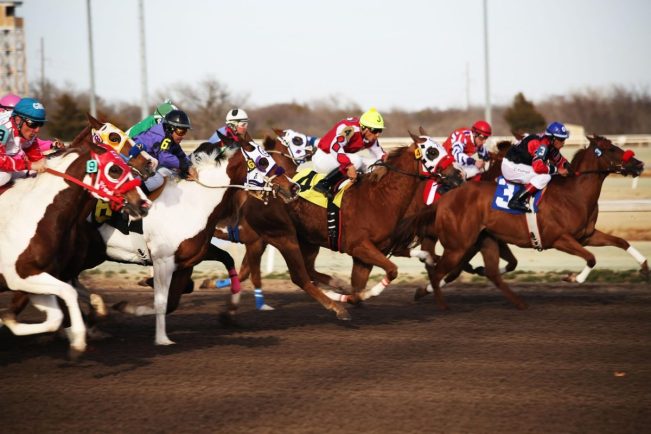
The Preakness Stakes, the thrilling second leg of the prestigious Triple Crown series, draws an audience of seasoned bettors and casual racing enthusiasts alike. Taking place at the historic Pimlico Race Course in Baltimore, Maryland, this iconic race offers high stakes and intense competition, making it a favourite among racing aficionados. However, success at the Preakness is about more than just luck; knowledge of key betting strategies and insights is crucial.
Whether you’re new to betting or looking to improve your odds, this guide will walk you through five essential things to know before the Preakness Stakes begins.
1. Understand the Preakness Stakes Odds
Betting odds can make or break your success at the Preakness Stakes, so understanding how they work is essential. Like other US horse races, Preakness Stakes odds are determined by a pari-mutuel system. This means the odds are based on the amount of money wagered on each horse. Morning line odds are given before the race to forecast public betting sentiment, but are not final. Odds can fluctuate significantly until race time, so it’s essential to monitor any shifts.
For example, past favourites, such as War of Will in 2019, opened with morning line odds of 4/1, which eventually shifted to 5/1 by the race’s start. These shifts can indicate changes in public sentiment or insider information about a horse’s performance.
To improve your betting strategy, pay attention to the following:
- Morning line odds provide a starting point for evaluating your picks,
- Shifts in odds can hint at value bets or sharp movements in wagering trends,
- Payout calculations depend on betting pools, so study the odds closely to identify opportunities for higher returns.
To stay ahead, keep a close eye on Preakness Stakes odds, calculate potential payouts, and adjust your strategy for any last-minute changes.
2. Study the Horses’ Past Performances
A successful bet begins with understanding the contenders. At the Preakness Stakes, the field is often made up of Kentucky Derby runners, as well as other promising three-year-old horses. Each contender brings a unique racing style, level of fitness, and adaptability to Pimlico’s shorter, 1 3/16-mile dirt track.
When studying a horse’s past performance, consider these key factors:
- Track History: Look at how horses performed on similar tracks. Pimlico favours speed horses due to its shorter track length,
- Recent Form: Horses that performed well in the Kentucky Derby or recent Grade I races often carry momentum into the Preakness,
- Trainer and Jockey Impact: Trainers like Todd Pletcher and Bob Baffert are known for their Preakness successes. Similarly, experienced jockeys boost a horse’s potential.
For example, Seize the Grey, the 2024 Preakness Stakes winner, had an impressive Grade I record, making him a strong pick at odds of 12/1. Evaluating detailed past performances will help you identify which horses offer the best value for your bets.
3. Consider Pimlico’s Track Bias and Weather Conditions
Unlike the longer tracks at the Kentucky Derby or Belmont Stakes, Pimlico’s unique characteristics influence race outcomes. The shorter distance of the Preakness Stakes favours horses with strong early speed, often making pace-setters a wise choice for win bets.
Additionally, track bias is an important consideration. Pimlico’s dirt track has historically benefited front-runners or horses that can maintain an aggressive early pace. Weather conditions can also play a significant role. Rain or damp conditions can alter the track’s surface, favouring certain horses or disadvantaging others. Be sure to review the forecast and assess which horses are likely to perform well in wet conditions.
These insights can help steer your betting strategy:
- Prioritise speed horses and front-runners,
- Research which horses have raced well in adverse weather,
- Be prepared to adjust your selections if race day conditions unexpectedly shift.
4. Explore Betting Markets and Wager Types
While straightforward bets like Win, Place, and Show are excellent for beginners, the Preakness Stakes also offers a variety of exotic wagers with larger potential payouts. Familiarising yourself with these betting options will add excitement and potentially maximise your returns.
Here are the main wager types worth considering:
Straight Bets:
- Win (picking the horse to finish first),
- Place (the horse finishes first or second),
- Show (the horse finishes in the top three).
Exotic Bets:
- Exacta (selecting the first- and second-place horses in the correct order),
- Trifecta (correctly picking the top three finishers),
- Superfecta (predicting the first four finishers in exact order)
Multi-Race Bets:
- Pick 3 or Pick 5 (predicting the winners of consecutive races, which increases the level of difficulty but can lead to significant payouts).
Selecting the right type of wager depends on your experience level and risk tolerance. Beginners may feel more comfortable sticking with straight bets, while seasoned bettors often explore exotic wagers in pursuit of higher stakes.
5. Keep an Eye on Trends and Insights from Recent Races
Historical trends and race-day insights can provide invaluable information for your betting decisions. For instance, over the Preakness Stakes’ long history, 49% of winners were race favourites. However, in the last ten years, only two favourites have secured victories, suggesting an increasing unpredictability.
Here are additional trends worth noting:
- Kentucky Derby Winners often become the Preakness favourite, as historically, 36 of them have gone on to win at Pimlico,
- Preakness Longshot Winners are worth considering. Recent winners like Rombauer (2021) and Swiss Skydiver (2020) had odds of 11/1 and higher but demonstrated strong class and performance in key prep races.
Betting Like a Pro
The Preakness Stakes is more than just a thrilling event; it’s an opportunity to translate knowledge into rewards. From mastering Preakness Stakes odds to studying past performances and exploiting wagering options, these five key insights will help elevate your betting strategies.
Success at the Preakness requires preparation, observation, and quick decision-making. By focusing on data, track trends, and betting strategies, you can maximise your chances of making well-informed choices and potentially securing sizeable returns.
Article written by Dave Smith