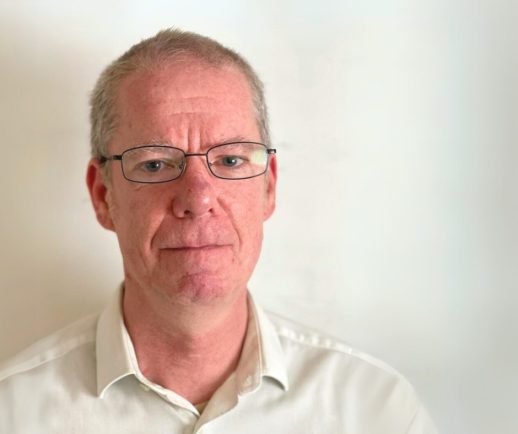
“I DON’T feel anxious to share my story to people anymore” – those are the words of a former West London bus driver who got caught up in the London bombings in 2007.
Ian Tighe had his life turned upside down following the London bombings on July 7 2005 and Since that day, Ian has worked hard to overcome many mental health challenges that were exacerbated due to what he witnessed.
Now an expert by experience at Birmingham and Solihull Mental Health NHS Foundation Trust (BSMHFT), the 57-year-old has shared his story that is one of hope to many people out there, particularly those who often suppress their emotions.
“I cannot describe to you the chaos and trauma that the public and I went through following the 2005 attacks. Everything about that event was the catalyst that sparked the decline in my mental health and changed my life forever.
“In a matter of months, I had lost my job, my partner, my home and shortly after I was sectioned for the first time at West Middlesex Psychiatric Hospital.
“Prior to being sectioned, I didn’t know that I was becoming unwell but looking back I was in so much need of support. To numb the pain of how I was feeling, I turned to street drugs and became really unwell. I was diagnosed with Post Traumatic Stress Disorder (PTSD) and after being discharged, I later left London to live in Birmingham, a place that I now call home.
“I grew up in the late 60’s where, particularly in my household, we didn’t really talk about mental health. I’d summarise my childhood as very anxious, I was never taught to believe it was okay to share how I was feeling emotionally, I feared reprisal, and I grew into a man not really understanding how to navigate my stress. “
In 2008 Ian received support from BSMHFT following a relapse in his mental health.
He became an inpatient at Oleaster, a Psychiatric Intensive Care Unit in Edgbaston where he met Dr Brownell who has supported him for the past 16 years.
He also received a formal diagnosis of bipolar disorder and was educated on how to manage my symptoms better.
“I am now at peace with my diagnosis, it’s nothing to be ashamed of,” he said “It’s no secret that a lot of men struggle with their mental health. Rather than the ‘butterflies’ I often call anxiety ‘bats in your stomach’. It’s an unpleasant, evil feeling and the only way to overcome it is to seek help. It’s out there if you need it.
“With the help of therapy, I now have an internal voice in my head that runs a bit like an antivirus software in a computer – it keeps telling me ‘You can do this, you can do this’. It’s easy to catastrophise things, but nine times out of ten, it all works out okay. I don’t feel anxious to share my story to people anymore.
“I am so resilient now, there’s nothing that phases me.”
Ian takes regular medication including antipsychotics and says in his role as an expert by experience people often voice concerns about the side effects of drugs.
Ian said: “One message I’d like to leave people with is this. If you’ve got that continuous looming feeling that won’t go away or you’re turning to dangerous habits to suppress a feeling – it’s not normal.
“Don’t ignore it, speak to your friends, your family, share what you are feeling inside and take time out for you. The alternative of living with poor mental health is a miserable one.”
If anyone can relate to Ian’s story and need mental health support, there are many support services out there that can help.
Visit BSMHFT’s website to learn more and for urgent mental health help dial NHS 111, option 2.