A MILLION free bus journeys have been given away as part of a travel scheme to get more people to try the bus for their daily commute
The passenger incentive scheme developed by Transport for West Midlands (TfWM) is primarily aimed at employers and large organisations to encourage their staff to leave cars at home and try the bus.
It is part of a Government-funded programme to boost journeys and protect services across the West Midlands.
It is hoped that having tried taking the bus, many will make a permanent switch for their regular commute, helping to reduce car congestion and pollution on the region’s roads and help support and protect bus services.
The scheme has already attracted more than 27,000 users.
One key employer is University Hospitals Birmingham, with over 25,000 workers. Hundreds of new medical and nursing staff, including some from abroad, have been supported to get to and from work through the initiative.
As part of the £19million scheme, TfWM, which is part of the West Midlands Combined Authority (WMCA), is also targeting the free bus travel offer at key groups, such as care leavers or apprentices, to support them as they start a new chapter in their lives or careers.
With 23 million journeys a year, buses are seen as the backbone of the West Midlands public transport network, but have needed extra support to increase passenger numbers, keep services on the road and make sure fares remain amongst the lowest in the country.
Richard Parker, Mayor of the West Midlands and chair of the WMCA, said: “Every day, tens of thousands rely on buses to get to work, school, the doctors, or just to meet up with friends.
“That’s why improving our bus services is a priority for me. I’m committed to making buses more affordable and easier to use for everyone.
“And the more we use buses, the better the service can become. This ‘try-before-you-buy’ initiative is a great way for employers to encourage sustainable travel, helping reduce traffic and pollution around workplaces.”
The WMCA Board has set the region on the path towards bus franchising and will finalise a decision next year following an independent audit and public consultation.
The incentive scheme is funded from the region’s Bus Service Improvement Plan (BSIP) which has already delivered a ‘bonfire of bus tickets’ by securing a uniform fare structure across all private operators, meaning passengers no longer pay extra to use services run by multiple companies.
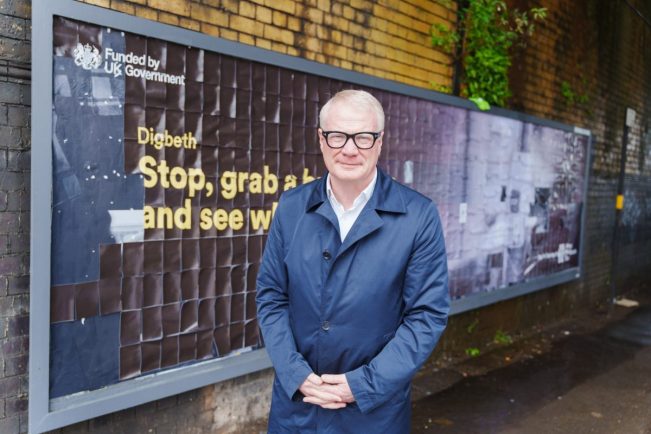
Students arriving in Birmingham for the first time in September were targeted with a free offer via a special billboard.
The Plan has also funded new Transport Safety Officers who are out on patrol to keep passengers safe, deter crime and tackle anti-social behaviour.
TfWM is currently spending £50million a year in supporting private operators to keep bus services running.
It is also investing in key bus infrastructure including a new bus and Metro interchange at Dudley, a network of rapid cross-city bus routes and a fleet of zero-emission vehicles through the All Electric Bus City project in Coventry.